



Custom LED Video Solutions

Where LED
Becomes Architecture

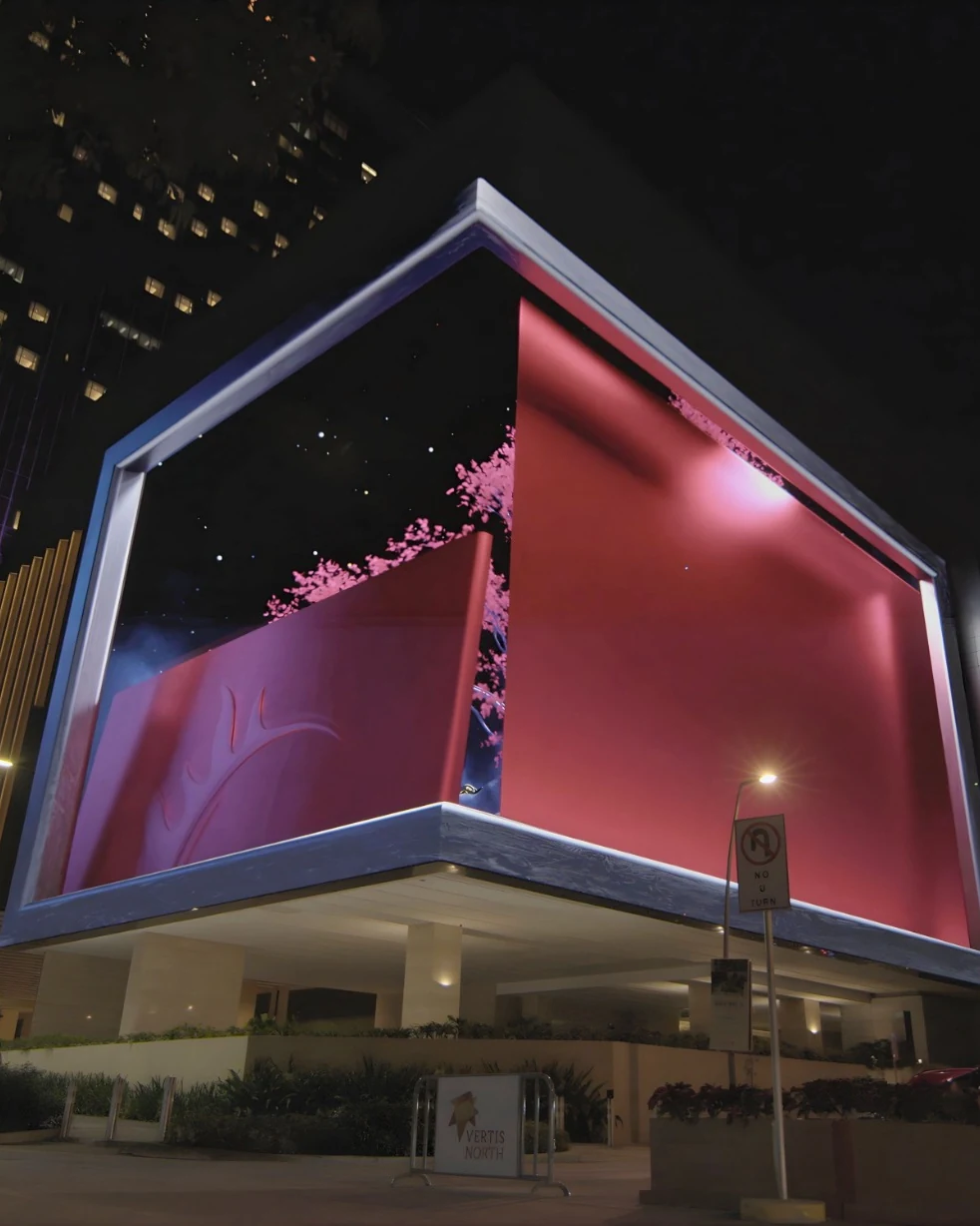
Conventional video walls are limited by bezels, fixed dimensions, and visible hardware. We approach LED as an architectural material, custom-engineering each display to complement its surroundings. From seamless corner wraps and transparent installations to large-scale lobby centerpieces, every system is built around the dimensions, finishes, and performance requirements of the space.

The World’s Largest Custom LED Logo

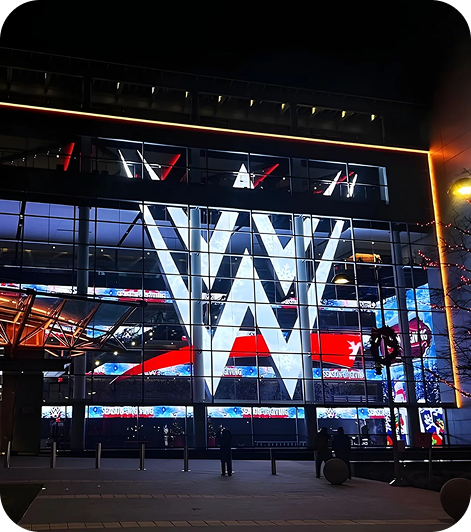
When WWE envisioned a defining centerpiece for its new global headquarters in Stamford, Connecticut, no off-the-shelf solution could deliver it. We designed, engineered, and fabricated a 73-foot-tall custom LED logo, suspended within the building’s multi-story lobby.

More than 1,700 uniquely shaped PCBs—no two alike—were developed to preserve the precise geometry of WWE’s iconic mark without visible bezels. Following three months of electrical engineering and a detailed 3D laser scan of the lobby, we installed more than 20,000 pounds of custom LED hardware above visitors, creating a seamless, structurally secure, and brand-faithful centerpiece.

Architecturally Finished LED

Standard video walls are constrained by bezels, rigid dimensions, and visible hardware. At Trust Fall Technology Group, we treat LED as an architectural material. Whether it is a flawless corner wrap, a transparent glass screen, or a massive lobby centerpiece, we fabricate displays to exact size and finish.

Integrated by
Design

Creative and technical teams collaborate from the beginning, ensuring every display complements the architecture and supports the intended experience. Materials, finishes, structure, and technology are thoughtfully coordinated, so the installation feels native to the space—even when powered down.

Engineered for the Environment

Every technical decision is guided by how and where the display will be experienced. We specify pixel pitch, brightness, color performance, structure, and component configuration based on viewing distance, ambient light, operating conditions, and long-term reliability.

Custom Forms and Fabrication

Our engineering and manufacturing capabilities move LED beyond conventional formats. We create curved, cylindrical, angled, transparent, and fully custom display structures that transform creative concepts into buildable, high-performing experiences.

Built to Be Seen. Engineered to Last.

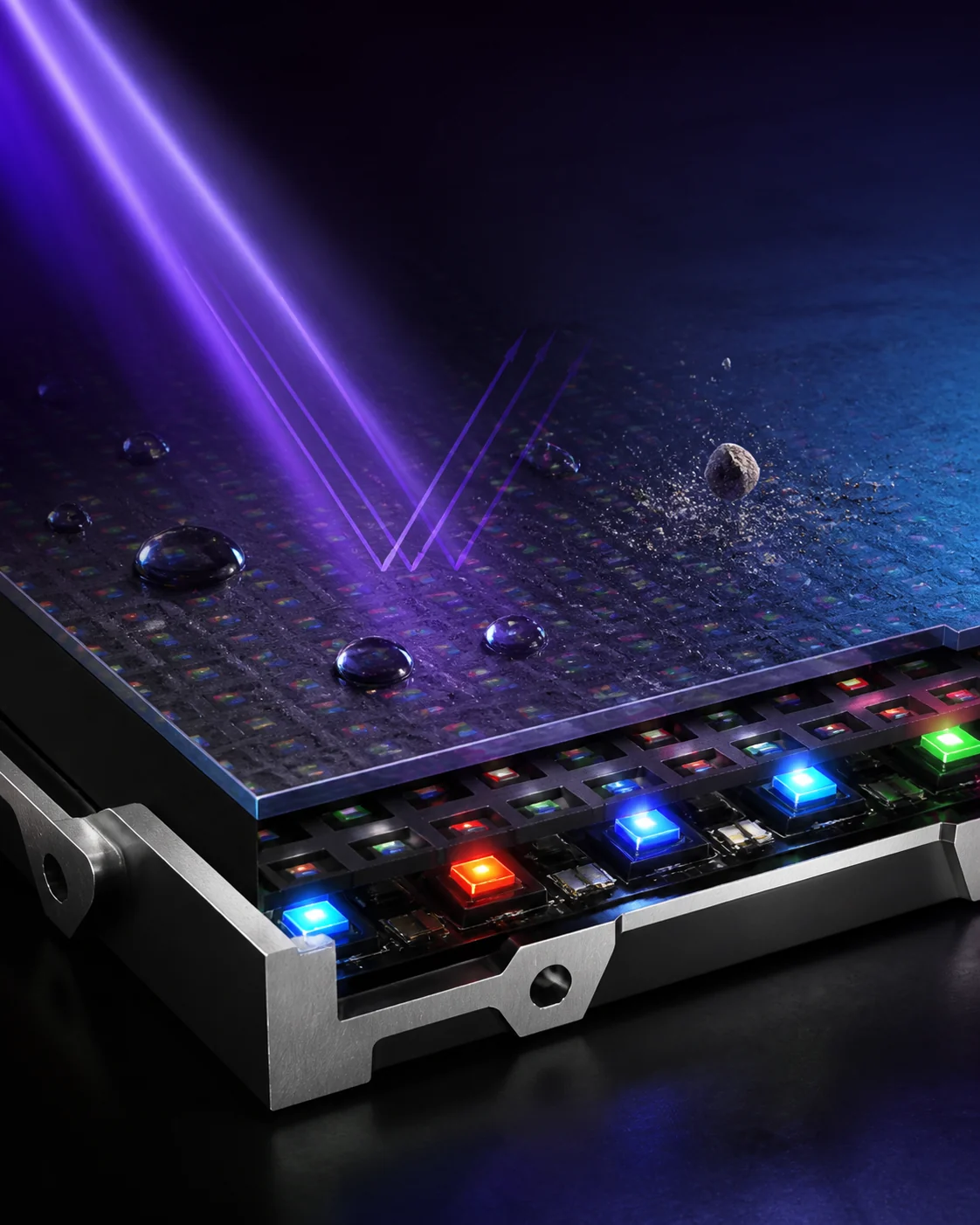
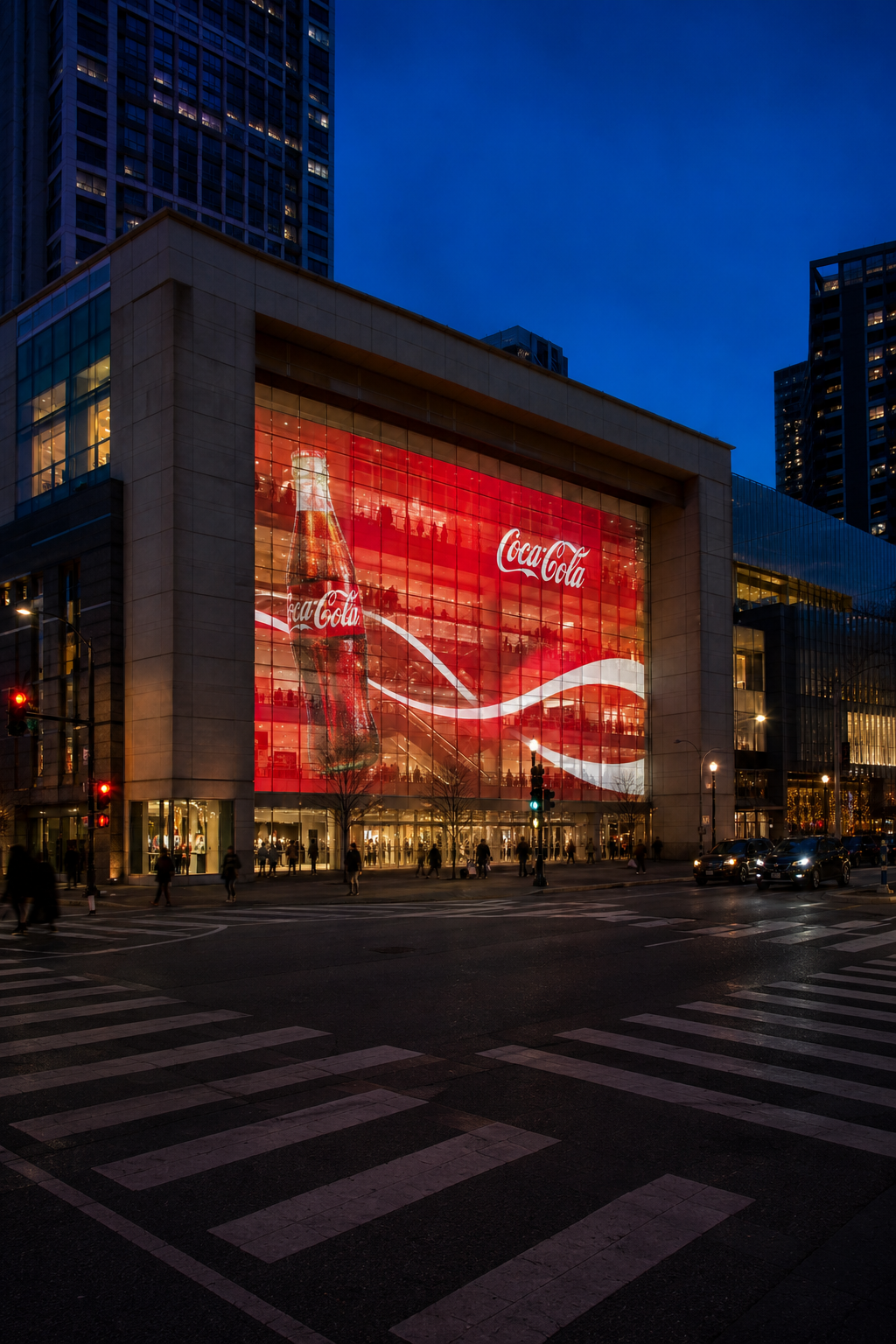
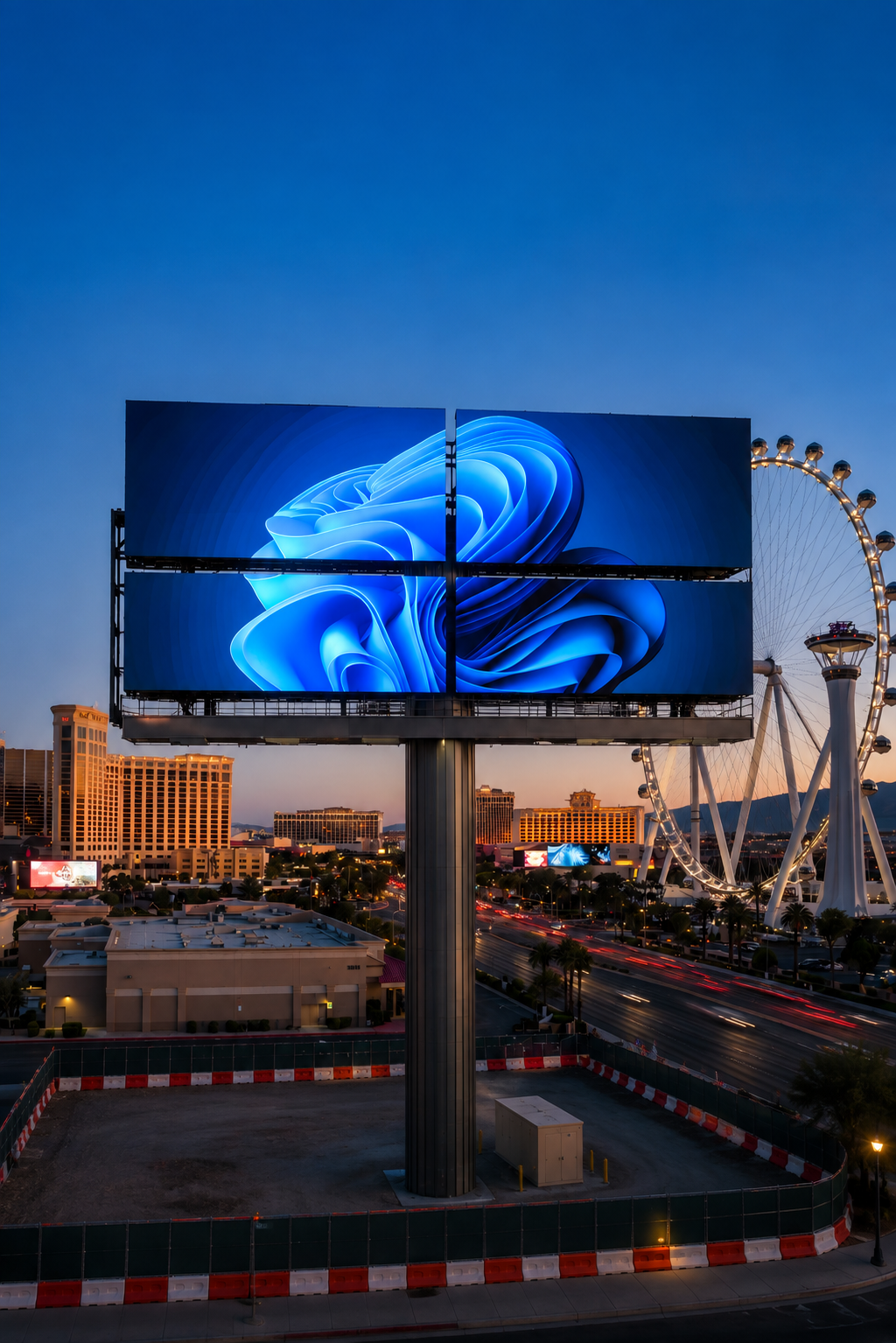
Large-format exterior displays demand more than brightness. We combine creative design with structural, electrical, and environmental engineering to create landmark LED installations that perform reliably in direct sunlight, extreme temperatures, high winds, and severe weather. Every system is designed for its architecture, audience, and long-term operation.

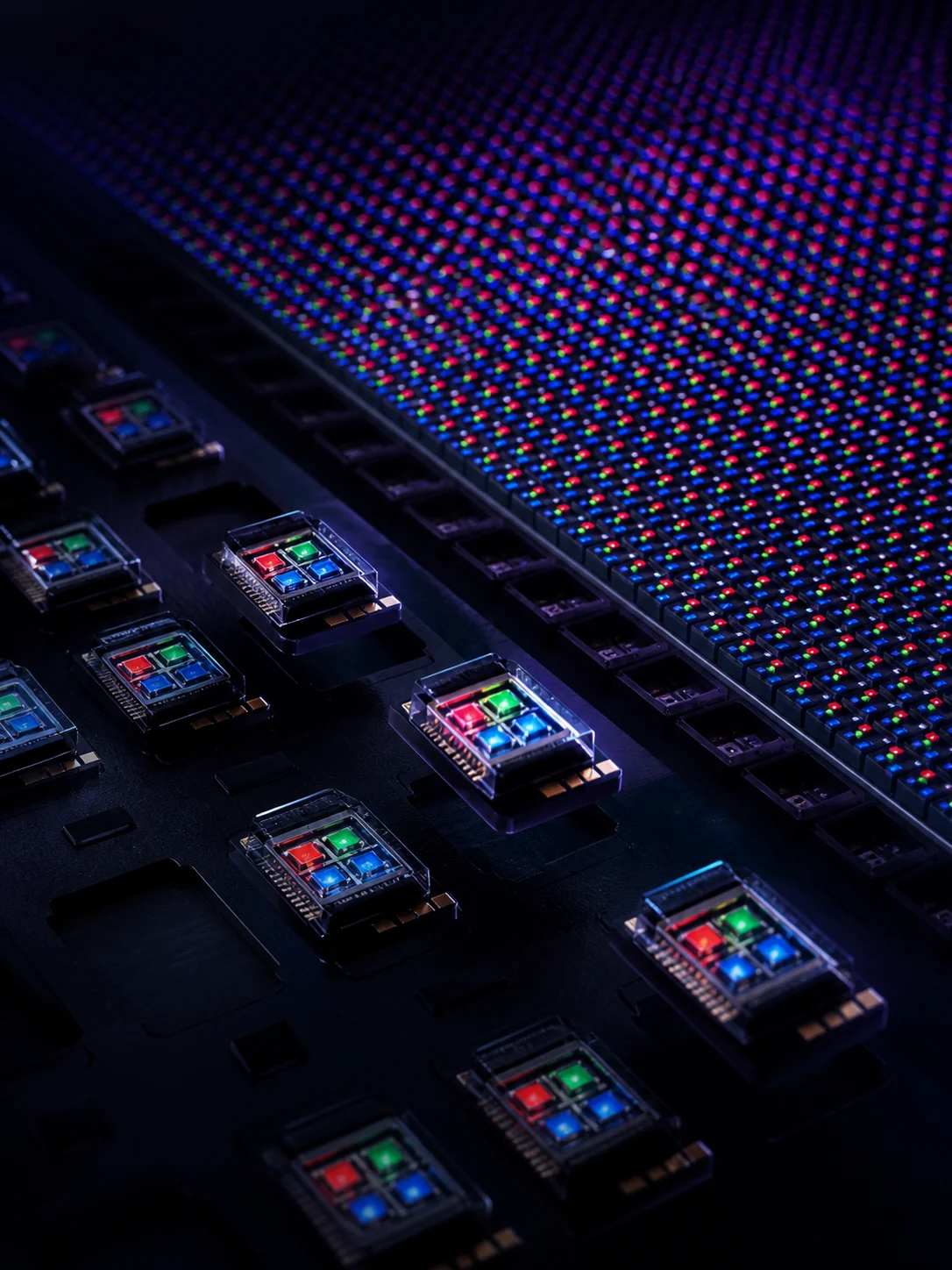
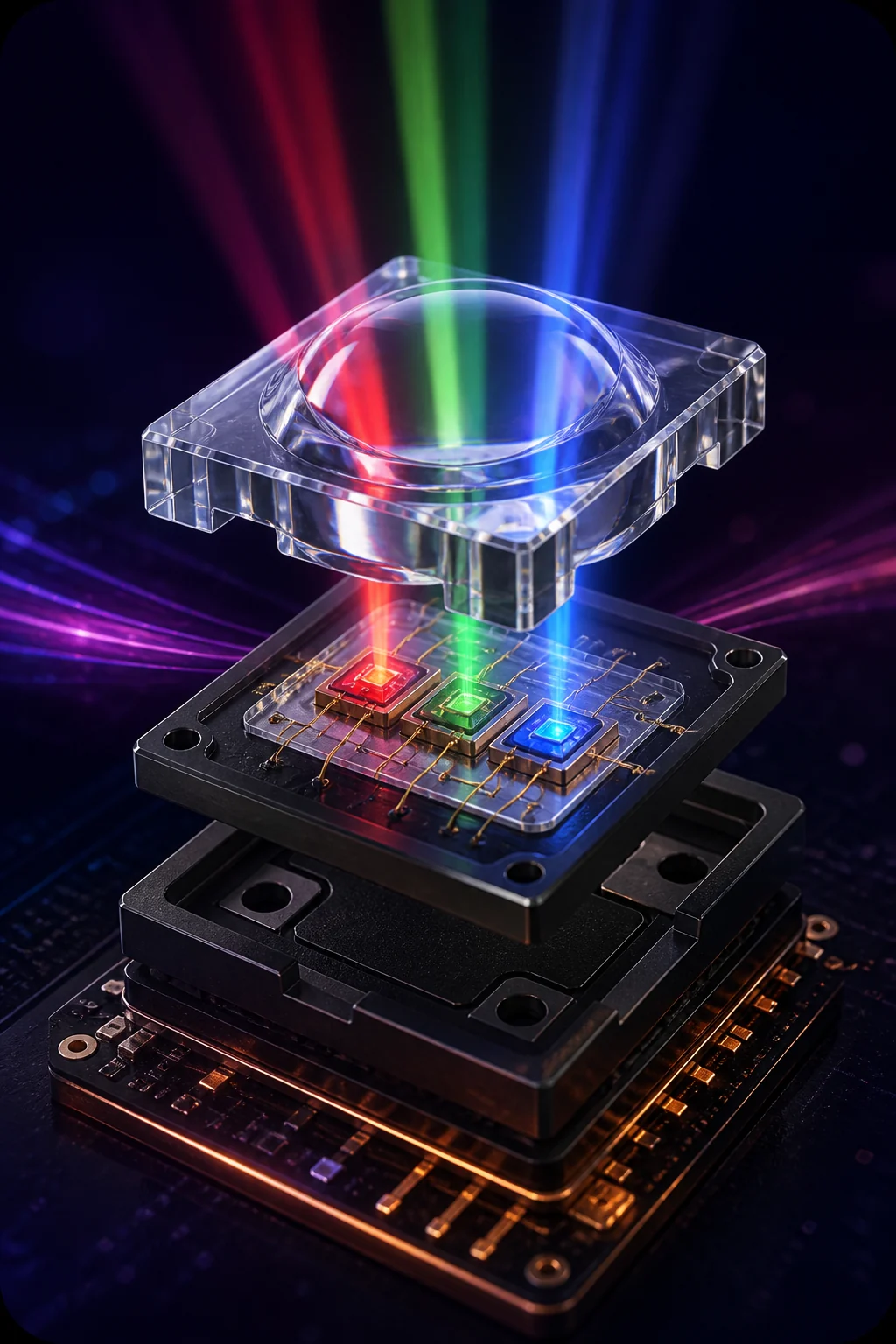
True visual excellence starts at the component level. From large-format spectaculars to the advanced technology upgrades inside them, we specify the components that push the boundaries of what LED can achieve.

Frequently Asked Questions
About Custom LED

A custom LED display is designed around the architecture, audience and purpose of a specific project rather than a standard screen size. That can involve a proven LED platform configured to exact dimensions, or fully custom components when the required shape or performance does not already exist. Pixel pitch, structure, finishes, mounting, processing, power, data and service access are developed as one system so the finished display belongs in the space instead of looking added to it.

Pixel pitch is the distance in millimeters between the centers of adjacent LED pixels. A smaller pitch creates greater pixel density and supports closer viewing, but it also affects cost, processing and service requirements. We choose pixel pitch by looking at the closest and typical viewing distances, the physical size of the display, the content, ambient light and the level of detail the audience needs to see. The smallest available pitch is not automatically the best specification.

Yes, when the display is designed around the structure from the beginning. LED can be configured as curved walls, cylinders, corner wraps, transparent surfaces, mesh façades, dimensional forms and project-specific shapes. The right approach depends on the radius, supporting surface, viewing angles, transparency requirements, content and maintenance access. Some concepts can use an existing modular platform with custom framing and mapping. Others may require custom printed circuit boards, electronics or fabrication.

Direct-view LED uses modular LED panels to create one continuous image surface without the visible bezels found between tiled LCD displays. It can also support large dimensions, curves and non-standard formats. LCD video walls may still be appropriate for smaller rectangular installations where initial cost and close-range resolution are the main priorities. We compare viewing distance, ambient light, operating hours, content, physical depth, service access and budget before recommending either technology.

Outdoor LED must be engineered for sunlight, heat, moisture, dust, wind and temperature changes. Indoor LED is usually specified around closer viewing, controlled lighting, noise, heat and integration with interior finishes. Brightness matters in both environments, but a larger number is not always better. The correct output depends on the actual ambient light and operating conditions. Weather protection, structural loads, cooling, power use, corrosion resistance and safe maintenance access also have to be considered for exterior systems.

Usually, yes. A custom LED display may have a non-standard resolution, aspect ratio, curve, corner or transparent surface that conventional video was never designed to fill. Creating content for the display’s native pixel canvas helps protect image quality and keeps important visual elements in the right place. Trust Fall can coordinate content specifications, mapping, motion graphics, 3D anamorphic work, media servers and playback so the content and hardware are developed as parts of the same experience.

The main factors are display area, pixel pitch, brightness, indoor or outdoor rating, custom electronics or fabrication, structural support, processing, power and data infrastructure, content, site access, permitting and installation conditions. A conventional indoor wall can follow a different schedule from a transparent façade or a one-of-a-kind architectural form. We begin with the site, viewing conditions, operating needs and creative objective, then develop a scope and budget around what the project actually requires.

Maintenance starts with the design. The system should provide safe access to modules, power supplies, data components and control equipment without requiring unnecessary demolition or extended shutdowns. Depending on the project, the plan may include front or rear service, spare modules, remote monitoring, scheduled calibration, cleaning and defined response procedures. Trust Fall considers long-term service while the display is being engineered and can provide commissioning, technical support and lifecycle planning after installation.

Let's Build Something Extraordinary

From concept to commissioning, we transform vision into experience. Whether you need a custom indoor architectural display or a massive outdoor DOOH network, our team is ready to engineer a solution tailored to your exact specifications.