
Articles
From Headlines to Industry Impact
Trust Fall is earning recognition for transforming venues, events, and destinations through technology that is seamlessly integrated into every experience.
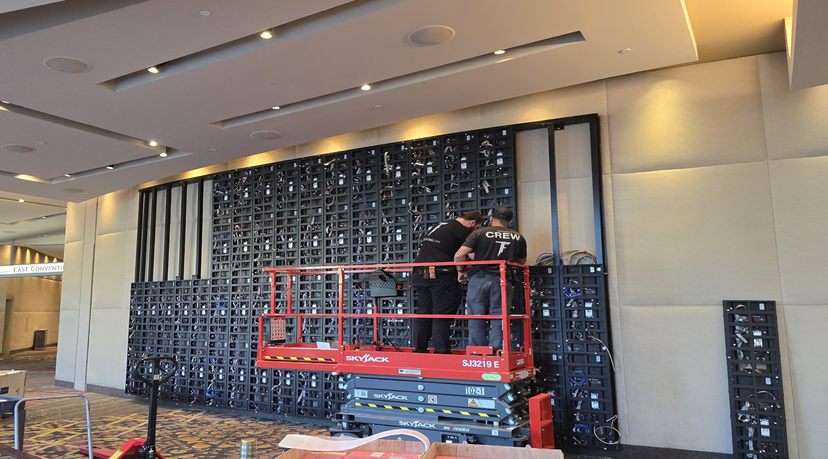
A commercial LED video wall is a long-term investment that involves more than choosing the right display for your space. What most …
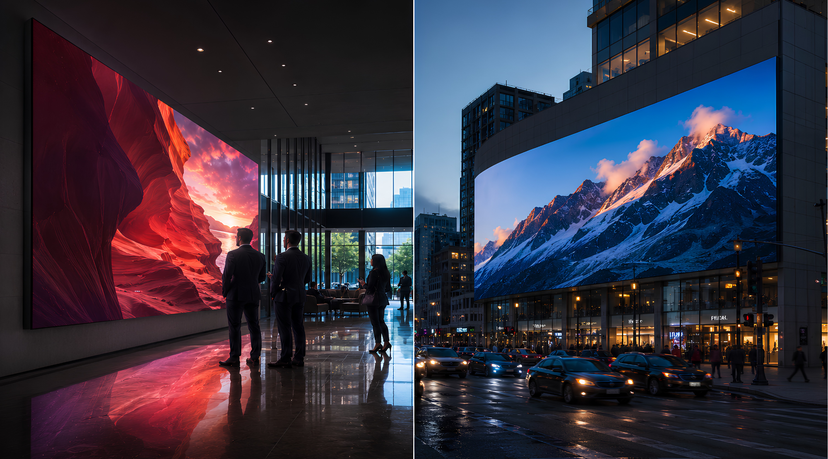
Indoor and outdoor LED displays serve different purposes and are not interchangeable. Brightness, pixel pitch, weather protection, cabinet construction, thermal management, structural …
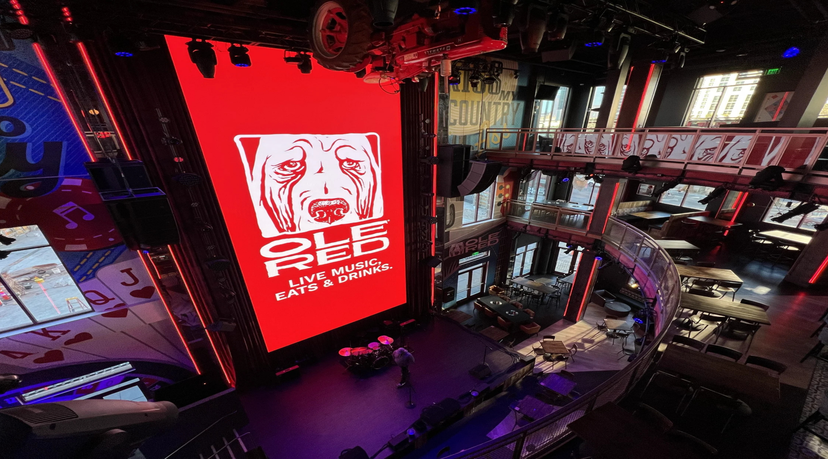
Any buyer comparing LED screens, LED video walls, architectural displays, or fine-pitch direct view systems will eventually run into three acronyms: SMD, …
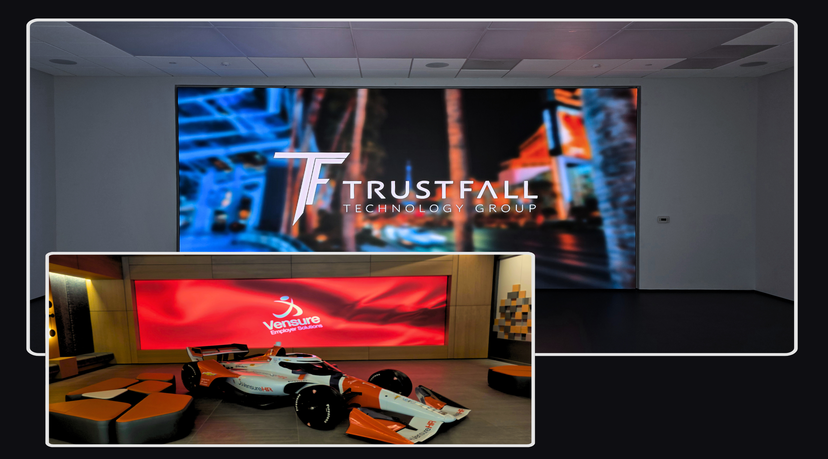
A fine-pitch LED display can turn a retail floor or corporate lobby into a seamless, high-resolution visual surface, but only when its …
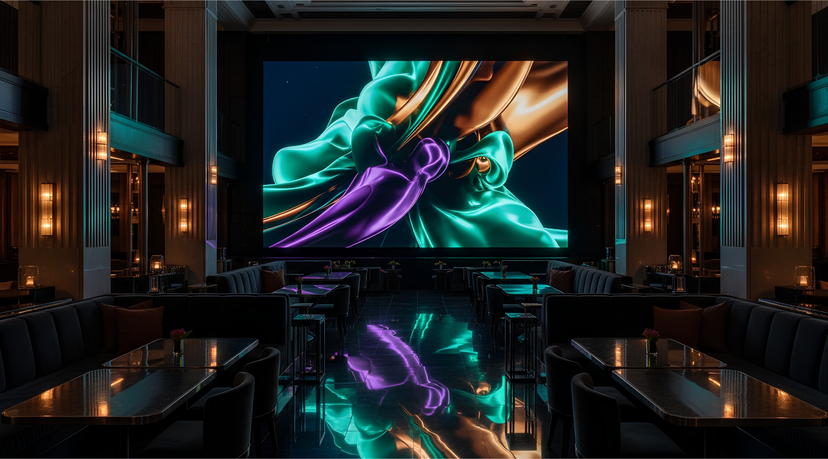
For most businesses, an LED video wall is a significant capital investment and a long-term commitment to a space, which is exactly …
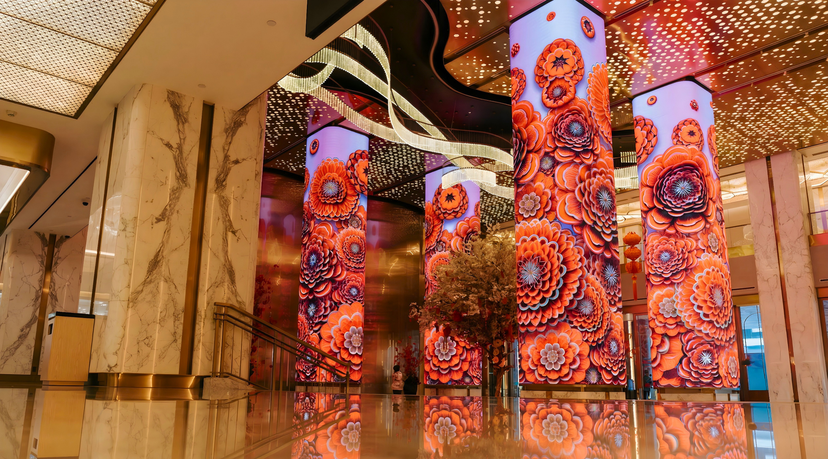
An architect specifying a display for a corporate headquarters, a developer comparing bids for a hotel lobby on the Las Vegas Strip, …
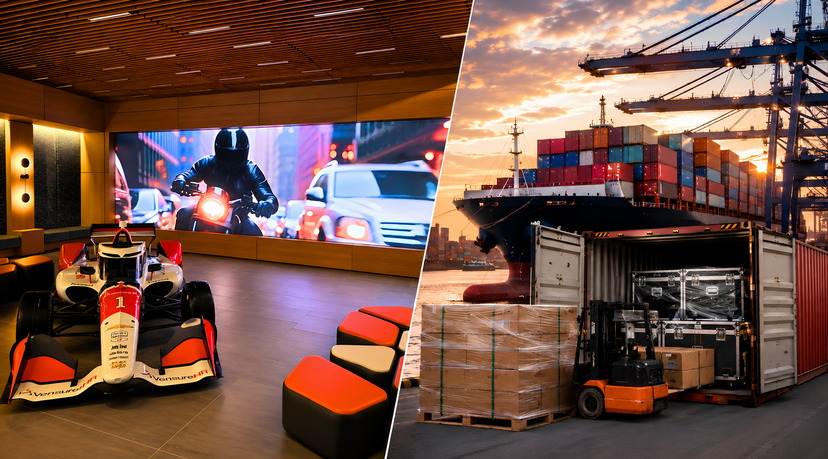
If you are sourcing a direct-view LED video wall and weighing whether to purchase from a North American LED distributor or directly …
An LED video wall is a long-term infrastructure decision. The company you choose to design, supply, and install it will directly impact …
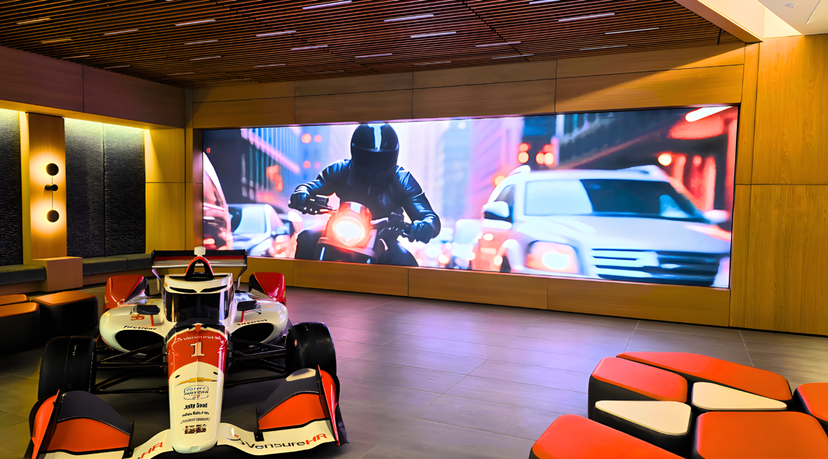
If you are a developer, brand director, or facilities manager considering a commercial LED video wall, cost is likely one of the …
Custom LED displays and standard LED screens are not the same technology and can’t be used interchangeably. Standard LED displays are pre-manufactured, …
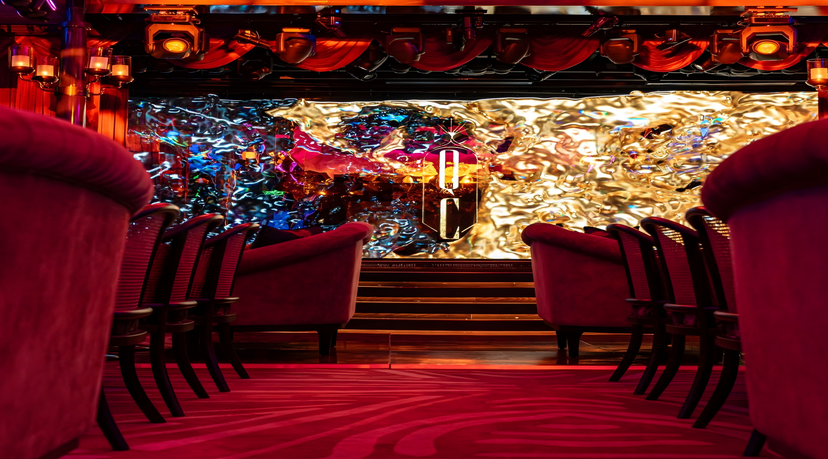
When you walk into the lobby of a luxury hotel on the Las Vegas Strip or step into a flagship retail space …

Pixel pitch is one of the most important specs to understand before purchasing or specifying an LED display. Different environments, such as …
Who We Are
A technology company where creative vision, engineering precision,
and long-term support live under one roof.
Frequently Asked Questions
What topics are covered in Trust Fall articles?
Trust Fall articles cover commercial LED and experiential technology decisions such as pixel pitch, indoor and outdoor specifications, SMD, COB and MIP packaging, architectural integration, project timelines, warranties, after-sales support and integrator evaluation. The library is written to help readers understand the questions behind a specification or proposal before they commit to a system.
Who are the articles written for?
The articles are intended for owners, developers, architects, designers, consultants, contractors, operators and buyers evaluating commercial technology. Some pieces explain foundational terms, while others go deeper into components, service or project risk. Each article should identify its intended decision so readers can tell whether it applies to early research, specification, procurement or long-term operation.
How are Articles different from Technology Insights and In the News?
Articles provide practical education for buyers and specifiers. Technology Insights focuses on emerging design directions and how technology is changing physical environments. In the News covers Trust Fall company announcements, project milestones and media activity. Keeping those purposes separate helps visitors find technical guidance without sorting through press releases or trend commentary.
Where should a first-time LED buyer begin?
Begin with the guides that explain pixel pitch, indoor and outdoor requirements, architectural versus industrial displays, project timelines and how to evaluate an integrator. Those topics establish the relationship between viewing conditions, components, installation and support. A buyer can then use more specialized comparisons to question a proposal. The articles support that process, but a site-specific design still requires drawings, operating requirements and an engineering review.
Do Trust Fall articles compare LED technologies and specifications?
Yes. The library includes comparisons of display packaging, pixel pitch, indoor and outdoor construction and custom versus standard systems. A useful comparison explains where each option performs well, its tradeoffs and which site conditions change the recommendation. The article date and stated assumptions matter because display products and component availability continue to change.
Can the articles be used to write an LED request for proposal or specification?
They can help a project team identify evaluation criteria and questions, but they are not a substitute for a project specification. An RFP needs the actual site, audience, content, structure, power, data, service and commercial requirements. Using a general article as a fixed product requirement can over-specify one area and miss another. A qualified consultant or design-build team should translate the project conditions into issued documents.
How can readers tell whether technical information is current?
Check the publication or update date, product references, standards cited, and whether the article states the conditions behind its recommendation. Buyers should confirm time-sensitive specifications, warranties, certifications, and availability with the project team before procurement. The website should clearly date articles and revise material when changes could affect the reader’s decision.
Can readers ask Trust Fall about a topic covered in an article?
Yes. Readers can contact Trust Fall with the article and the project conditions they need to understand. A useful question includes the site type, indoor or outdoor environment, viewing distance, intended content, operating hours, and any known constraints. That context allows the team to explain how the general guidance applies without presenting an article as a substitute for discovery and design.
Your Next Experience Starts Here
From concept to install, Trust Fall builds technology systems designed around the way guests see, feel, and remember a place. Reach out and tell us what you’re creating.