




Technology Design Build

Purpose-Built Technology Shaping Seamless Experiences

We provide a single-source delivery model that unites design, engineering, and integration. Backed by our Nevada contractor license, we align early with your architectural vision to reduce risk and ensure your technology infrastructure is built to last.

From Concept to Commissioning Under One Roof

Complex environments demand early, coordinated technology planning. Our design-build approach brings creative design, engineering, documentation, procurement, integration, and commissioning into one accountable process – reducing change orders, protecting schedules, and preserving the original vision.

We collaborate directly with architects, developers, general contractors, and project stakeholders from the earliest stages. From detailed documentation and trade coordination to installation and final commissioning, our team manages the complete technology scope, ensuring that every system works together and performs as intended.

Our Design Build Process

Our proven process creates clear decisions, coordinated execution, and accountability at every stage, from the first concept through final commissioning.

Creative Design & Visualization

Every project begins by translating your goals into a clear, creative, and technical direction. Through concept development, system planning, detailed drawings, and photorealistic 3D visualization, we align stakeholders and demonstrate how the technology will function within the space before construction begins.

Customization & Manufacturing

Our engineers develop each solution around the architecture, intended experience, and operational requirements. We define system performance, infrastructure, components, custom fabrication, and then produce the detailed documentation required for coordinated and accurate execution.

Management
& Installation

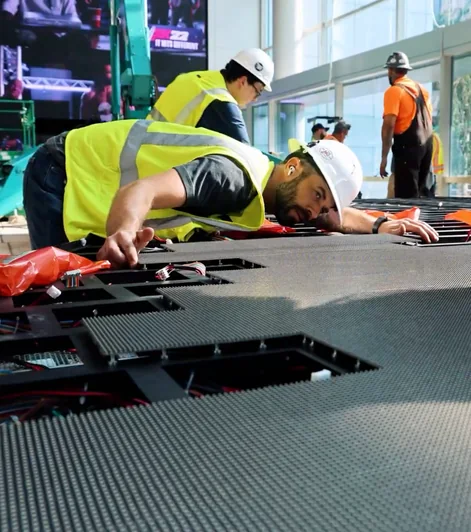
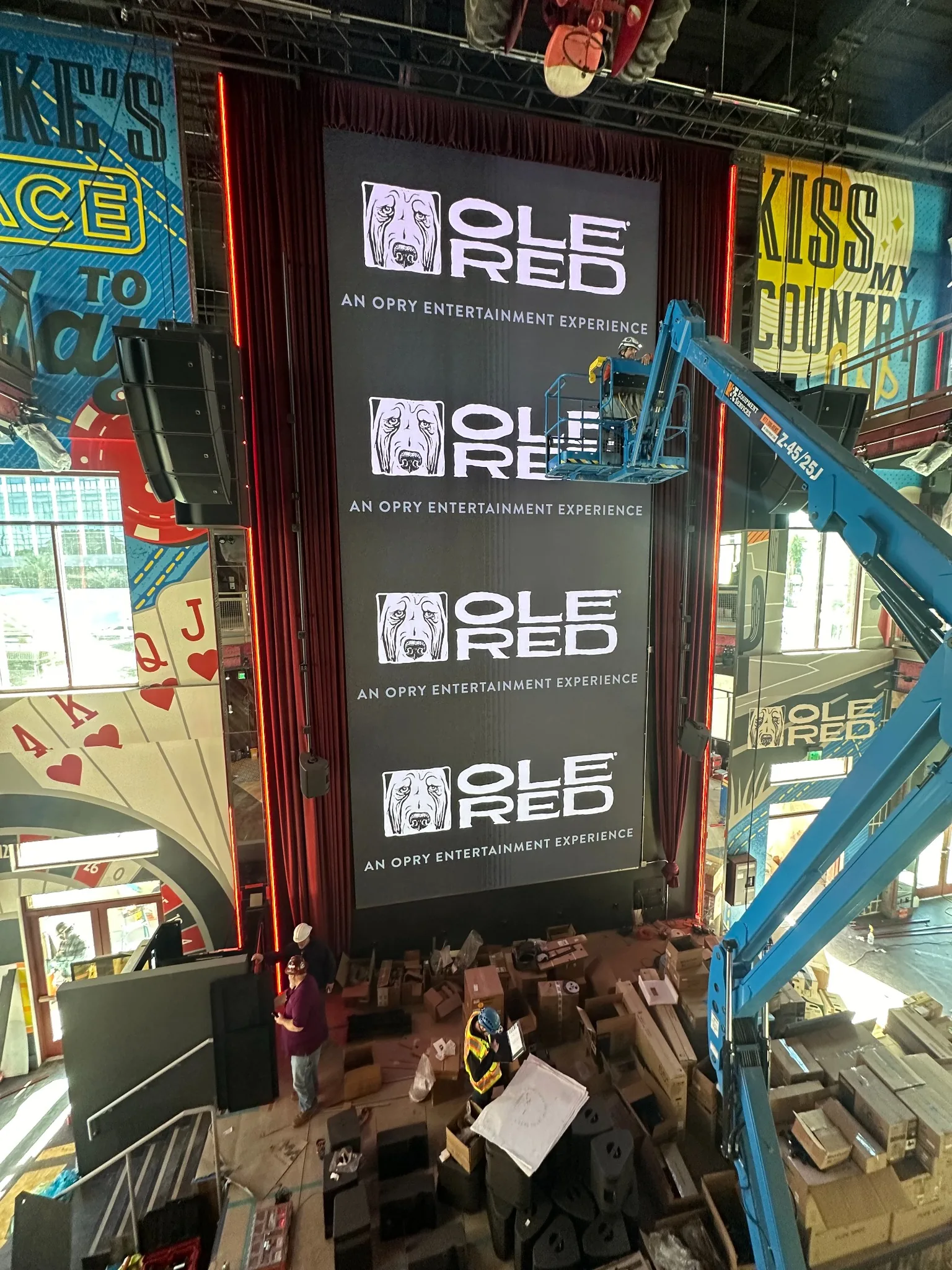
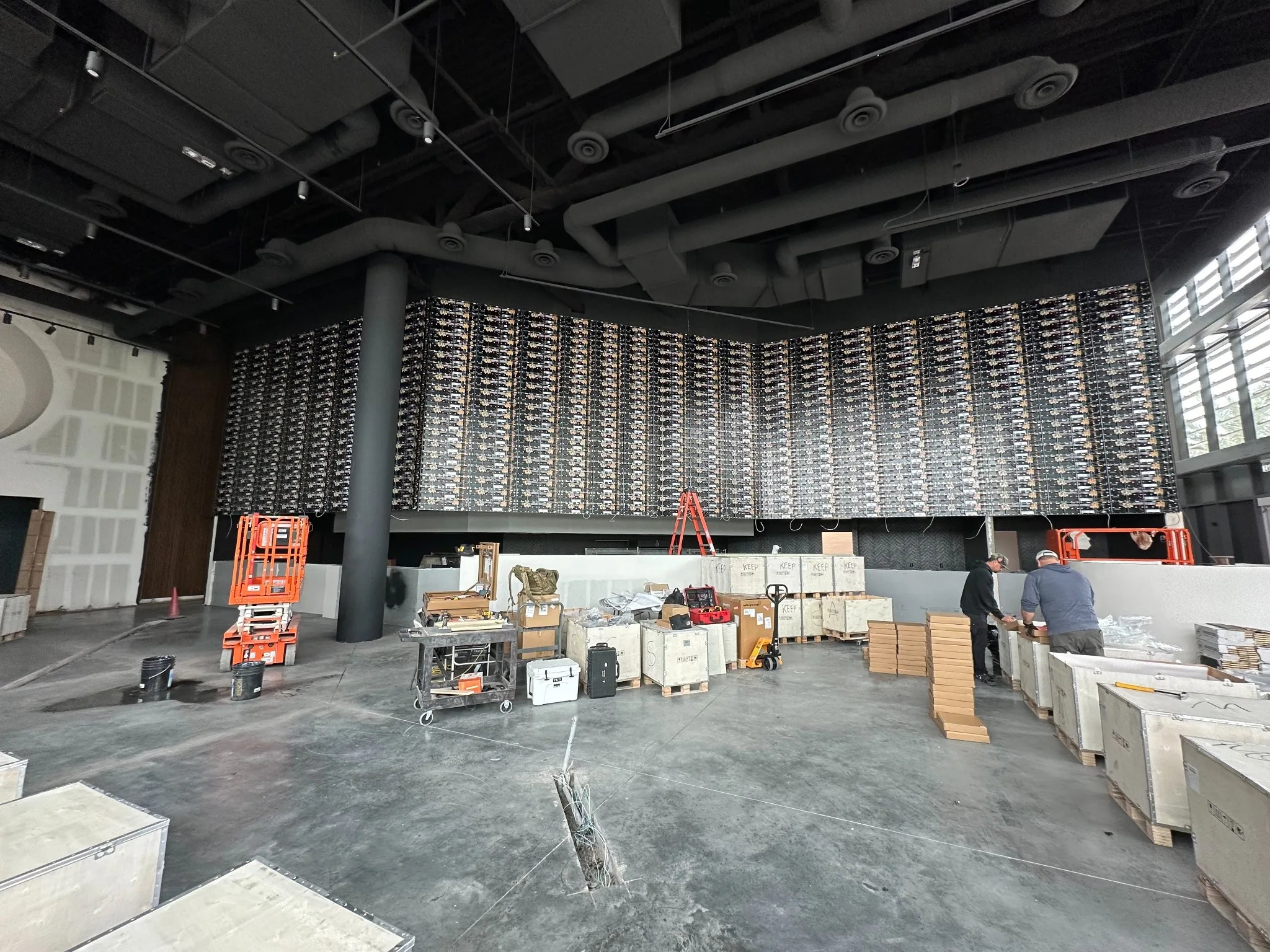
Dedicated project managers coordinate directly with contractors, site teams, and other trades throughout construction. We oversee procurement, scheduling, infrastructure coordination, and installation to keep the technology scope aligned with the overall project schedule.

Commissioning & Client Readiness

Before handover, every system is configured, tested, and validated against the original design intent. We resolve outstanding issues on site, complete final documentation, and train your team so the technology is ready for confident operation from day one.

Built to Last.
Backed for the Long Term.

Our commitment to a project does not end at installation. We believe that long-term performance is just as important as the initial build, which is why our support and service infrastructure is built directly into our delivery model.

Frequently Asked Questions
About AV Design Build

Technology design-build puts the planning, engineering and delivery of an AV system under one coordinated team. The work can include discovery, creative design, technical engineering, construction documentation, procurement, custom fabrication, installation, programming, commissioning and training. The value is not simply having fewer vendors. It is making sure the experience, the architecture and the technology are developed together, with clear responsibility from the first idea through a working system.

In a traditional model, a consultant designs the system and an integrator is later hired to build it. That can work well when the scope is already defined and the handoff is carefully managed. In a design-build model, the same accountable team carries the intent through engineering, procurement, installation and commissioning. This shortens the distance between an idea and the people responsible for making it work, which can reduce gaps, duplicated effort and late changes without removing the owner, architect or general contractor from the decision-making process.

We begin with what the space needs to do, who will use it and what the audience should experience. Useful inputs include architectural drawings, site conditions, operating requirements, content or show needs, viewing and listening positions, IT and security standards, target dates, budget parameters and expectations for service after opening. Every detail does not need to be final. Early concept work can begin with the use case and known constraints, then become more precise as the architectural and operational decisions develop.

The technology team translates the system into requirements the rest of the project can build around. That includes structure, power, conduit, data, network security, cooling, rigging, finishes, control locations and maintenance access. Trust Fall works with the architect, general contractor, electrical and structural teams, IT, interior designers and other stakeholders at the points where those decisions affect one another. Coordinated drawings, submittals and milestone reviews help resolve conflicts before walls close and keep responsibilities clear during construction.

The document set should give the owner and construction team enough information to price, coordinate, build, test and maintain the system. Depending on the project, that may include a basis of design, plans and elevations, reflected ceiling coordination, signal-flow diagrams, rack elevations, equipment and cable schedules, power and data requirements, structural loads, mounting details, control narratives, shop drawings and approved submittals. Final closeout should reflect what was actually installed, including relevant as-built drawings, system records and operating documentation.

Renderings make technical decisions easier to understand before materials are ordered or fabricated. They let the team study scale, sightlines, viewing angles, clearances, finishes and how the technology sits within the architecture. For unusual canvases or immersive environments, previsualization can also show how content will read across the actual shape and resolution of the system. It does not replace engineering, but it helps stakeholders agree on the intent and exposes problems while they are still easier to solve.

Commissioning is where the installed parts are tested as one operating system. The team verifies signal paths, control functions, network communication, image and sound performance, programmed scenarios and any specified backup behavior. Issues are documented and resolved through a punch-list process rather than left for the client to discover after opening. Handover can include operator training, system documentation, as-built records, spare-parts guidance and clear service procedures so the people running the space know what they have and how to use it.

Long-lead equipment and custom-built components need to be identified while the design is still being coordinated. Trust Fall aligns approvals, submittals, procurement, fabrication, testing, shipping and site readiness with the larger construction schedule. That includes confirming when structure, power, data and access will be available before equipment reaches the site. The exact plan depends on the project, but the objective is consistent: make critical technology visible in the schedule early enough to protect installation and opening dates.

Executing Complex Builds Worldwide

With our headquarters in Las Vegas and established offices in Hong Kong and Manila, we have the infrastructure to execute large-scale technology builds worldwide. Our multinational team is adept at navigating regional supply chains, local building codes, and complex logistics, ensuring consistent quality whether your project is on the Las Vegas Strip or in a premier integrated resort in Asia.