
Sports & Outdoor Venues
Technology That
Carries the Crowd
Custom technology for stadiums, arenas, fan zones, concourses, and outdoor venues, engineered for crowd energy, sponsor value, live production, and game-day reliability.
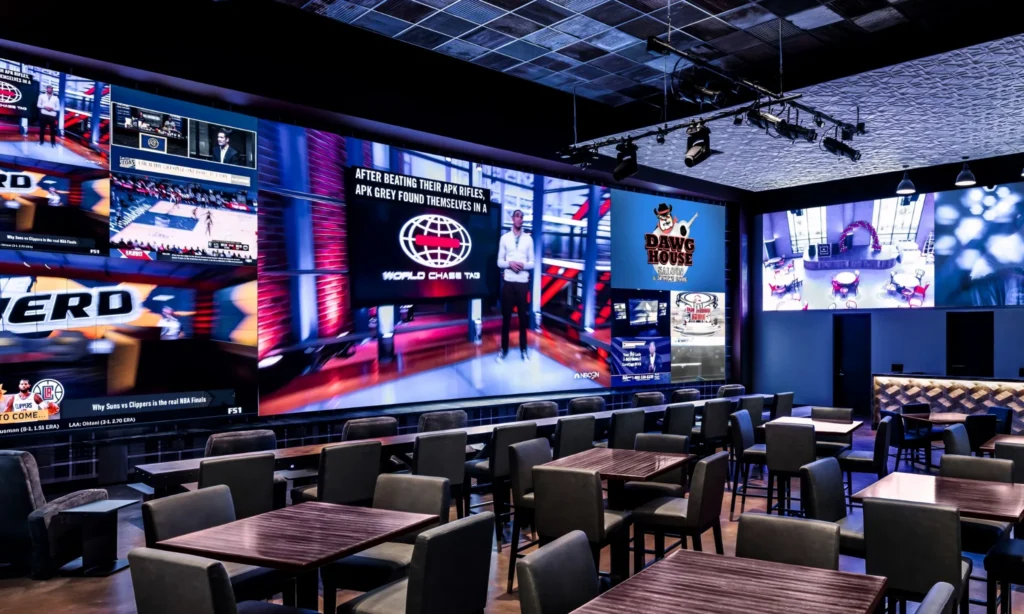
Sports venues operate at full volume. Crowds are moving, content is live, sponsors need visibility, and every cue has to land on time. Trust Fall designs and integrates technology systems that support the full game-day journey, from exterior arrival and concourse guidance to scoreboard moments, live production, and weather-ready fan zones.
Technology Built for Every Gameday Moment
Stadium Video Boards & Scoreboard Systems
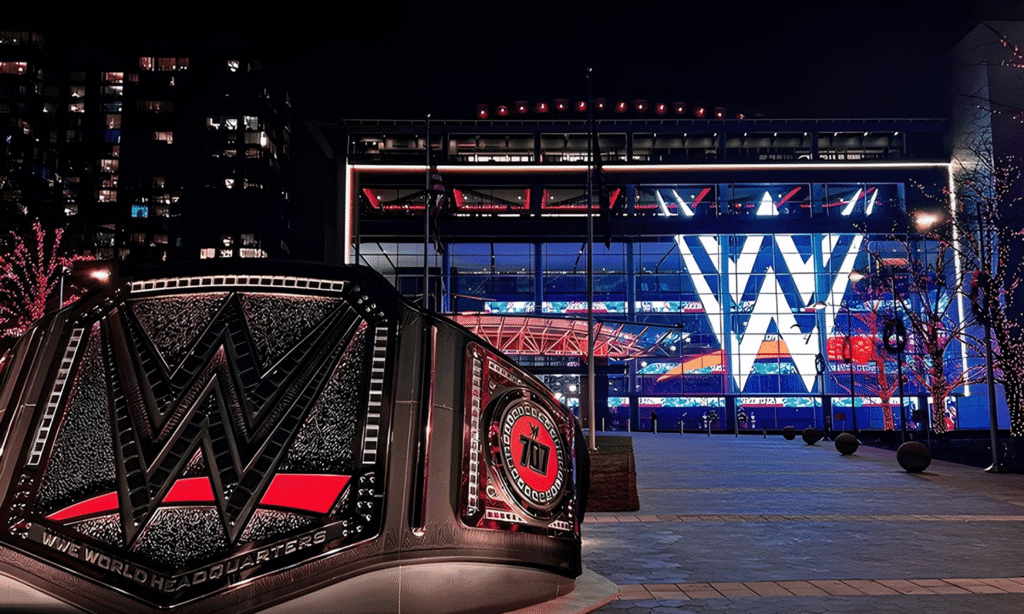
We design and integrate high-brightness LED boards, ribbon displays, and scoreboard systems that make the action easier to follow from every seat. From replay and stats to sponsor moments and crowd prompts, each display is built for reach, clarity, and live timing at scale.
Stadium Video Boards & Scoreboard Systems
We design and integrate high-brightness LED boards, ribbon displays, and scoreboard systems that make the action easier to follow from every seat. From replay and stats to sponsor moments and crowd prompts, each display is built for reach, clarity, and live timing at scale.
Concourse, Wayfinding
& Sponsor Media
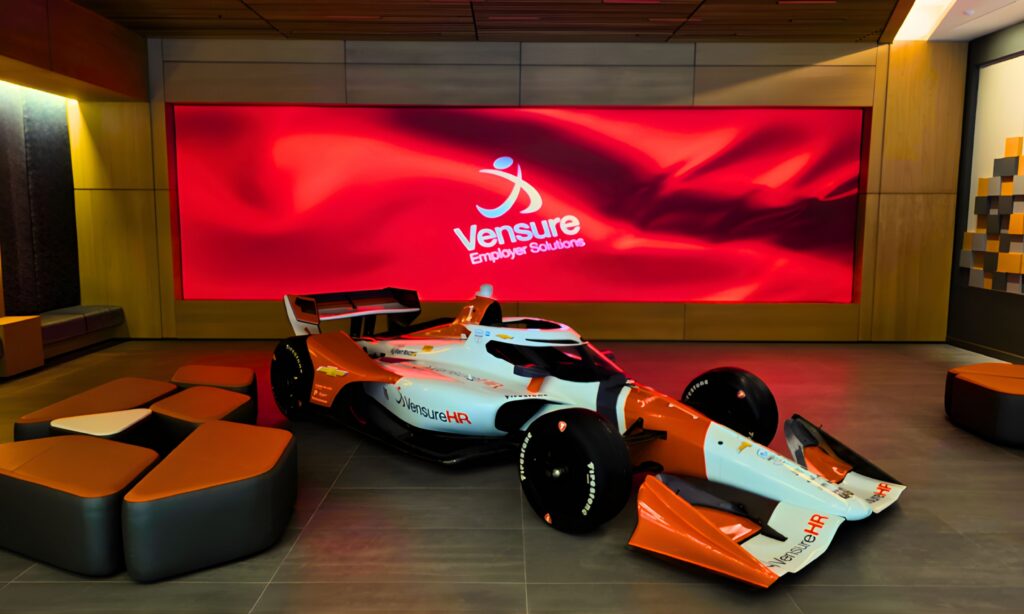
The fan experience moves far beyond the bowl. We connect concourses, clubs, entry plazas, suites, and sponsor zones with signage that directs traffic, reduces friction, supports partner messaging, and keeps the venue active before, during, and after the event at full scale.
Concourse, Wayfinding & Sponsor Media
The fan experience moves far beyond the bowl. We connect concourses, clubs, entry plazas, suites, and sponsor zones with signage that directs traffic, reduces friction, supports partner messaging, and keeps the venue active before, during, and after the event at full scale.
Live Production
& Venue Control
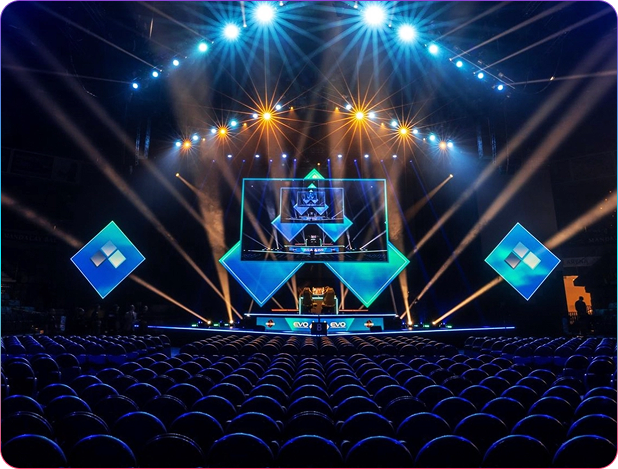
Sports venues need more than screens. We help connect content, cameras, control systems, data, lighting, and show cues into a production layer so teams can trigger replays, stats, sponsor takeovers, fan prompts, and live moments with speed and precision under show pressure.
Live Production & Venue Control
Sports venues need more than screens. We help connect content, cameras, control systems, data, lighting, and show cues into a production layer so teams can trigger replays, stats, sponsor takeovers, fan prompts, and live moments with speed and precision under show pressure.
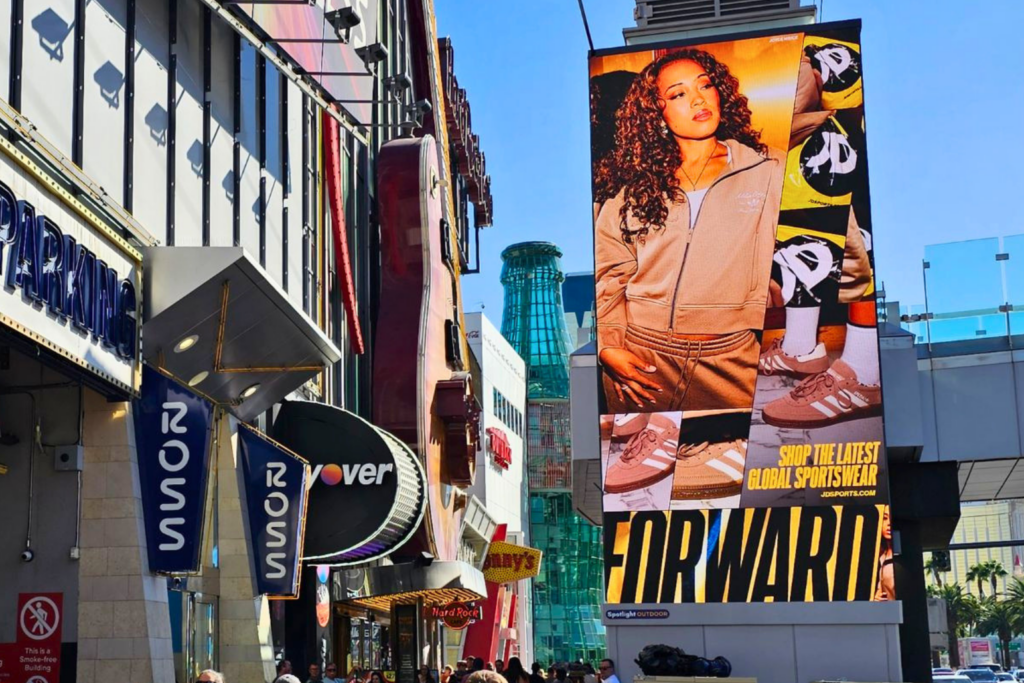
Weather-Ready
Outdoor Technology
Outdoor venues need technology built for heat, sun, rain, wind, dust, and nonstop public use. We specify LED, audio, control, and enclosure systems around real site conditions so fan zones, exterior displays, and open-air environments stay bright and stable all season long.
Weather-Ready Outdoor Technology
Outdoor venues need technology built for heat, sun, rain, wind, dust, and nonstop public use. We specify LED, audio, control, and enclosure systems around real site conditions so fan zones, exterior displays, and open-air environments stay bright and stable all season long.
Built for the Demands of
Live Sports

Proven Under
Pressure
Live sports do not leave room for technical failure. We bring show discipline into permanent venue systems, planning every display, control path, and service point around live-event timing, fast turnarounds, and high-pressure game-day conditions all season.

Engineered Around the Fan Journey
Every touchpoint has a job, from the first entrance display to the last concourse message. We design technology around crowd flow, sightlines, sponsorship, accessibility, and operations so the system supports the full fan journey, not just the screen on cue.

Reliability After
Opening Day
The work does not end when the venue opens. We build with reliable components, clear service access, training, documentation, and support plans so operators can keep displays, signage and production systems performing season after season with less friction.
FEATURED PROJECTS
Trusted by Premier Entertainment Brands
EVO Championship
Trust Fall executed full show design, visualization, and AV management across nine simultaneous stages at the Michelob Ultra Arena. By utilizing advanced pre-rigging and 3D rendering, our team successfully deployed comprehensive audio, lighting, and LED video systems for a massive live eSports broadcast under an incredibly tight load-in window.
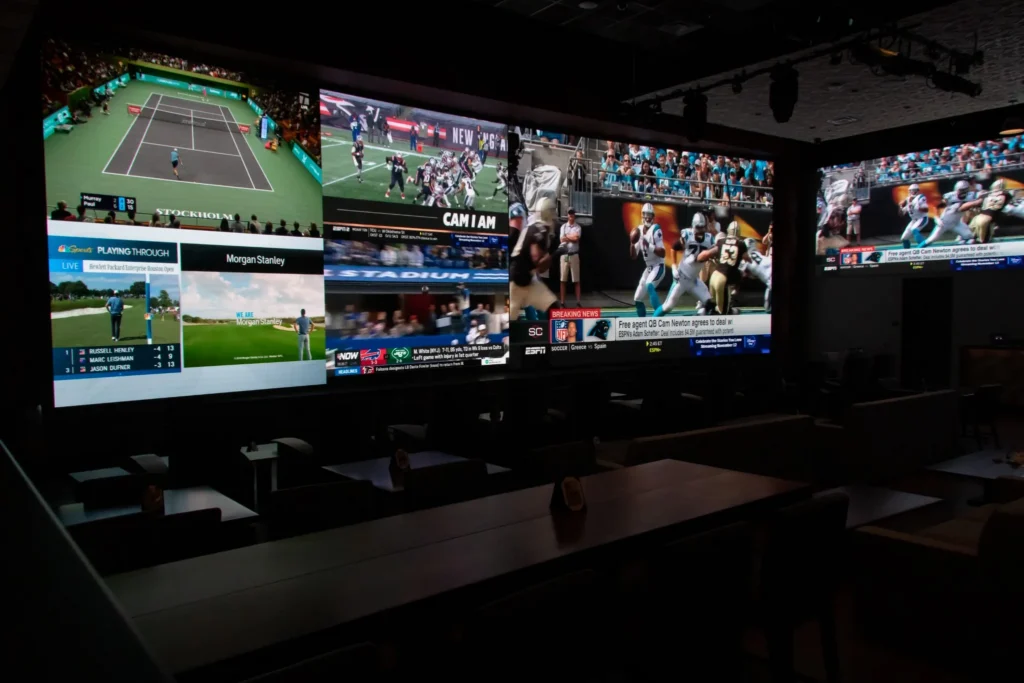
Resorts World Sports Book
A landmark digital deployment integrated into the architecture of one of the world’s highest-traffic corridors. This large-format LED installation delivers ultra-high brightness and exceptional contrast, seamlessly blending premium advertising capabilities with the surrounding commercial environment.
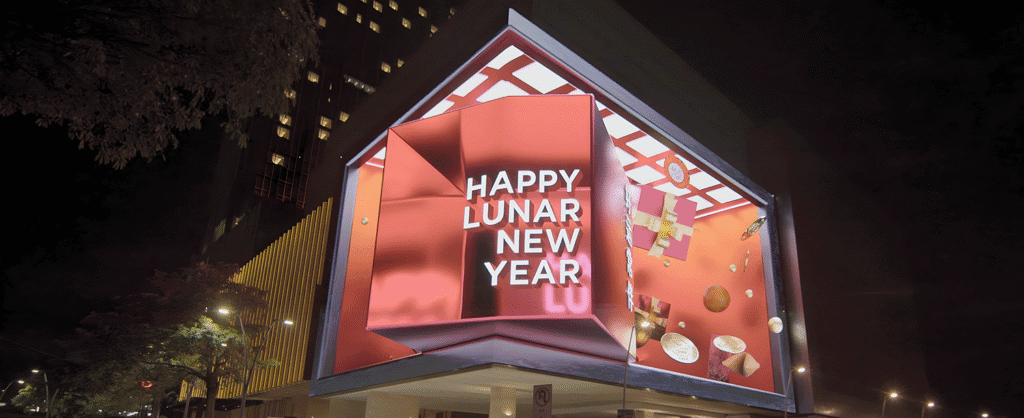
Solaire Resort & Casino
Serving as a premier technology partner for the luxury Solaire brand, we provided comprehensive AV integration, design-build services, and custom content development to create a world-class experiential environment for guests.
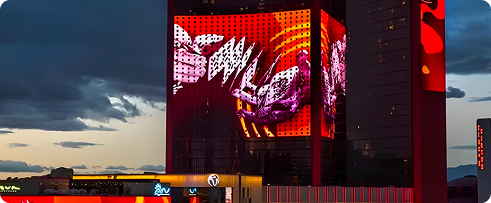
Zouk Nightclub (Las Vegas)
Located within an integrated resort, we elevated the venue’s ambiance through innovative LED video integration. Using a turnkey approach, we delivered a fully customized hardware solution tailored to the unique space, setting a new standard for nightlife entertainment.
Frequently Asked Questions
What technology systems support a modern stadium or arena?
A modern venue can include main video boards, scoreboards, ribbon displays, concourse signage, IPTV, wayfinding, distributed audio, production cameras, replay, graphics, data integration, lighting and show control. Exterior marquees and fan-zone displays extend the experience beyond the bowl. These systems should be designed as one game-day environment so information, live action, sponsor content and crowd prompts move through the venue with consistent timing and clear operator control.
How are the size and placement of a stadium video board determined?
Display size and placement begin with the seating geometry and the information fans need to read. The team studies viewing distance, angle, obstructions, board height, structural limits, sun position and the mix of live video, replay, statistics and sponsor content. A larger screen is not automatically more useful if the layout makes text too small or leaves important seats with a poor view. Sightline studies and content zoning should be reviewed together before the structure and pixel count are fixed.
What is the difference between a scoreboard and a video board?
A scoreboard is primarily responsible for official game information such as score, time, period and player data. A video board is a larger visual canvas for live action, replay, graphics, prompts and sponsor content. Many venues connect the two through a shared control system so official data can appear within flexible video layouts. The distinction still matters because scoring, timing and league requirements may have different reliability and approval needs from entertainment content.
How can one sports display show live video, statistics and sponsor content at the same time?
The display is divided into programmable content zones controlled by the venue’s production system. Operators can assign live video, replay, statistics, clocks, graphics and sponsor elements to different regions, then change the layout for introductions, breaks or special moments. The system needs enough processing capacity and a clear template strategy so the board remains readable rather than crowded. Data sources, sponsor obligations and show cues should be tested before game day.
How are stadium displays connected to the game-day control room?
The control room brings cameras, replay, graphics, scoring data, playback, routing, audio and show control into an operator workflow. Signals move over a documented video and network architecture to the main board, ribbons, concourses and other approved destinations. The design should address latency, synchronization, monitoring, operator communications and backup behavior. A powerful display cannot improve the show if the production team cannot route and trigger content quickly under live conditions.
How do concourse displays support wayfinding, operations and sponsors?
Concourse media can guide fans, communicate event and safety information, promote concessions and deliver sponsor campaigns without asking one screen to perform every task. Placement should follow decision points, queue areas and dwell zones rather than available wall space alone. Content permissions and emergency overrides must be clear, and the information should remain readable while people are moving. The result is a network that supports the full visit before, during and after the event.
What must outdoor venue technology withstand?
Outdoor systems have to perform through the site’s actual heat, cold, rain, wind, dust, sunlight and seasonal schedule. The engineering review covers display enclosures, structural loads, drainage, thermal behavior, corrosion, cable routes, loudspeaker coverage, control equipment and safe service access. Brightness and weather ratings are only part of the specification. The system also needs a maintenance and recovery plan that venue staff can use during a live season.
Can the same venue technology support sports, concerts and esports?
Yes, if flexibility is designed into the signal, control and content architecture. A multi-use venue may need different screen layouts, camera routes, audio zones, lighting cues, data sources and operator positions for each event type. Presets can speed the changeover, while clear interfaces allow touring teams or outside producers to connect without taking control of the permanent system. The venue should define those event modes early so infrastructure is sized for more than the first opening program.
Ready to Upgrade Your Gameday Experience?
Whether you are building a new stadium from the ground up or modernizing the technology in an existing arena, our team is ready to engineer a solution that commands attention. Connect with our experts to discuss your next sports venue integration.