


Content Services

Content That Brings
Technology To Life

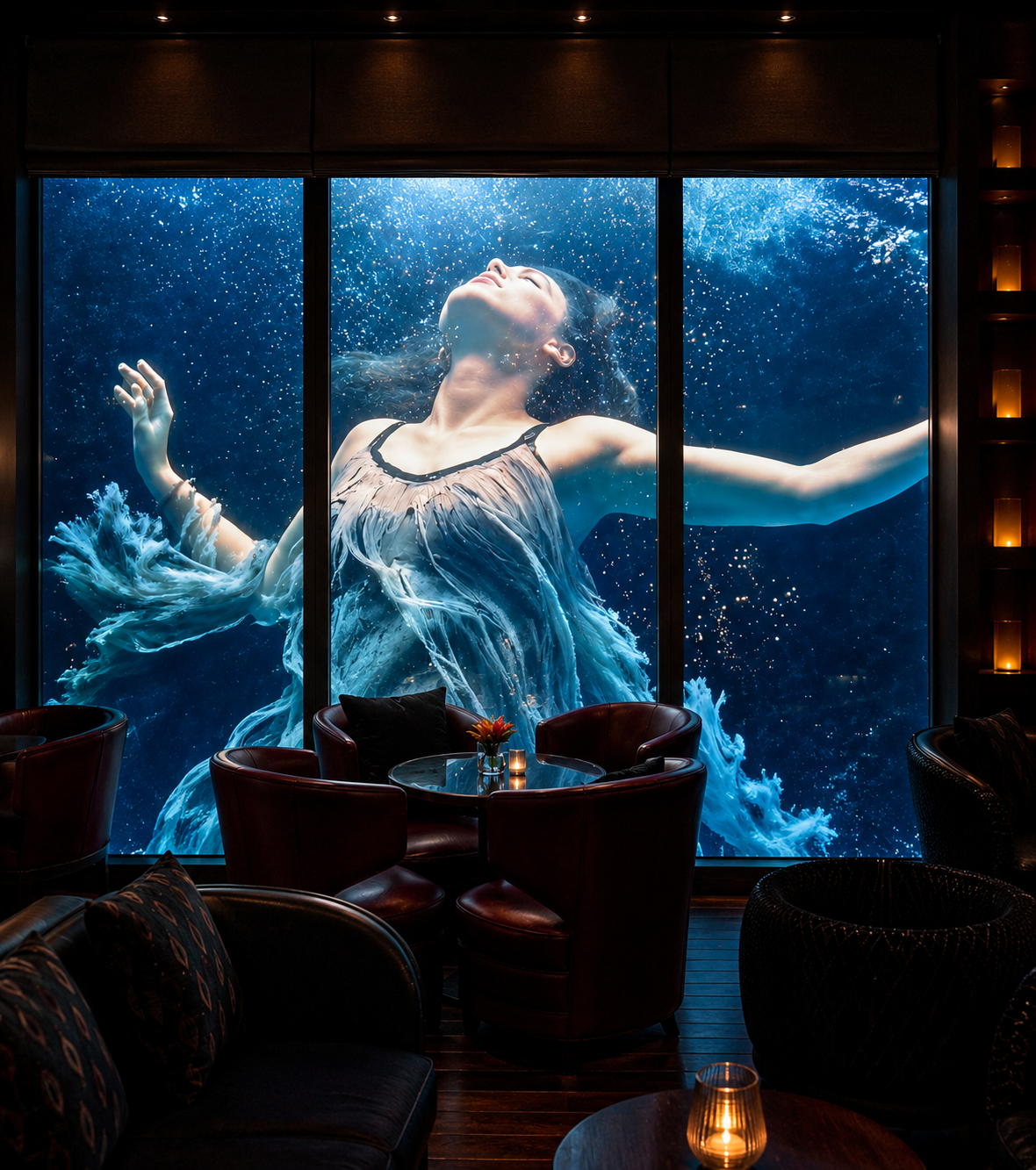
Our studio creates original visual content for architectural displays, immersive environments, hospitality destinations, entertainment venues, and digital landmarks. From creative direction and storyboarding to final deployment, every piece is developed for the scale, geometry, and viewing experience of its environment.

Content Designed for the Space

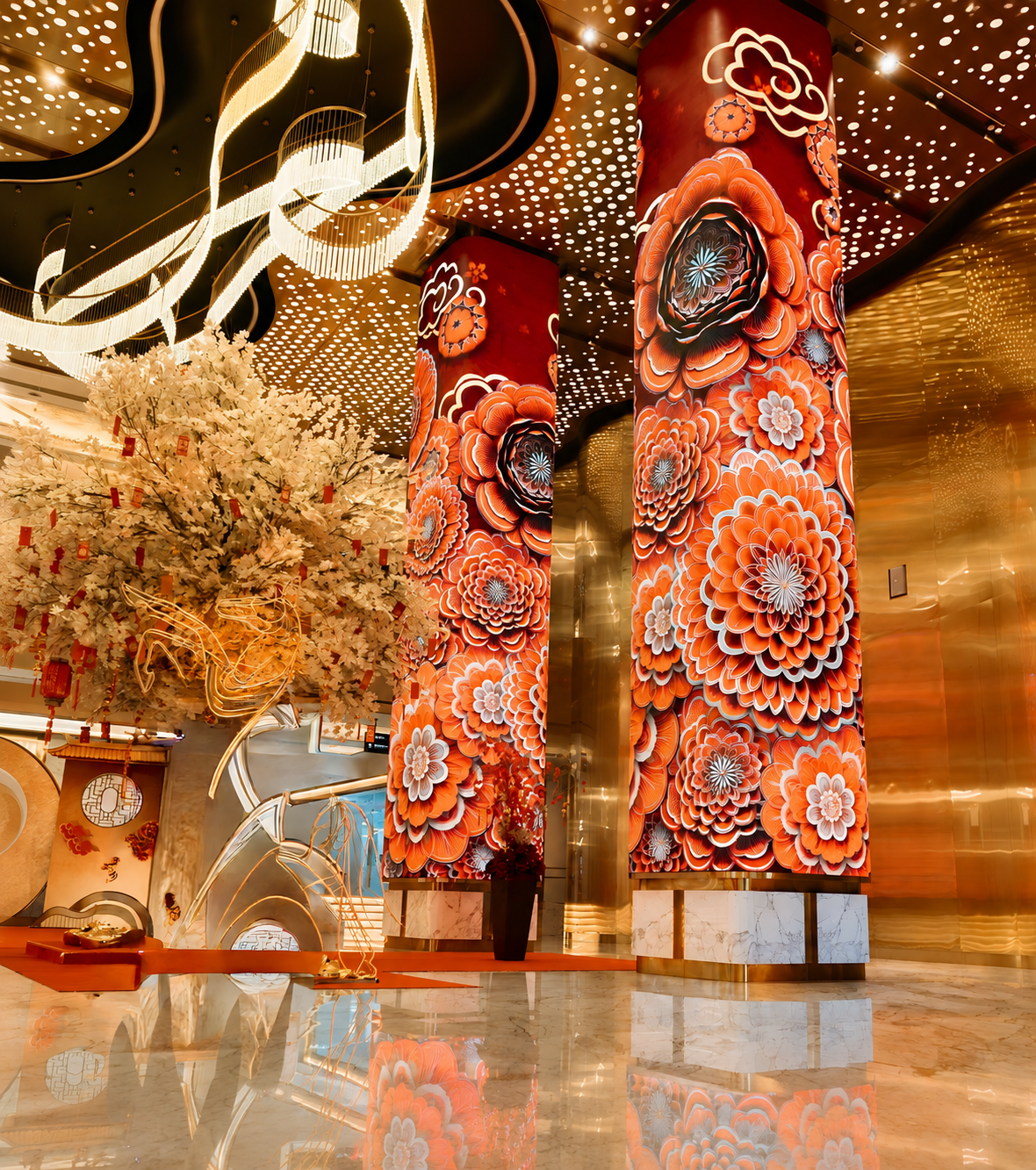
We create content for spaces, not simply screens. Our studio combines creative direction, storytelling, 3D animation, motion graphics, and experiential design to produce visual experiences that complement the architecture and shape how audiences engage with their surroundings.

Because our creative team works alongside technology designers and engineers, every piece is developed for the actual display from the first frame. Resolution, aspect ratio, viewing angles, content behavior, and playback requirements are considered throughout production to ensure the creative vision performs as intended in the finished environment.

3D Animation
& Motion Design

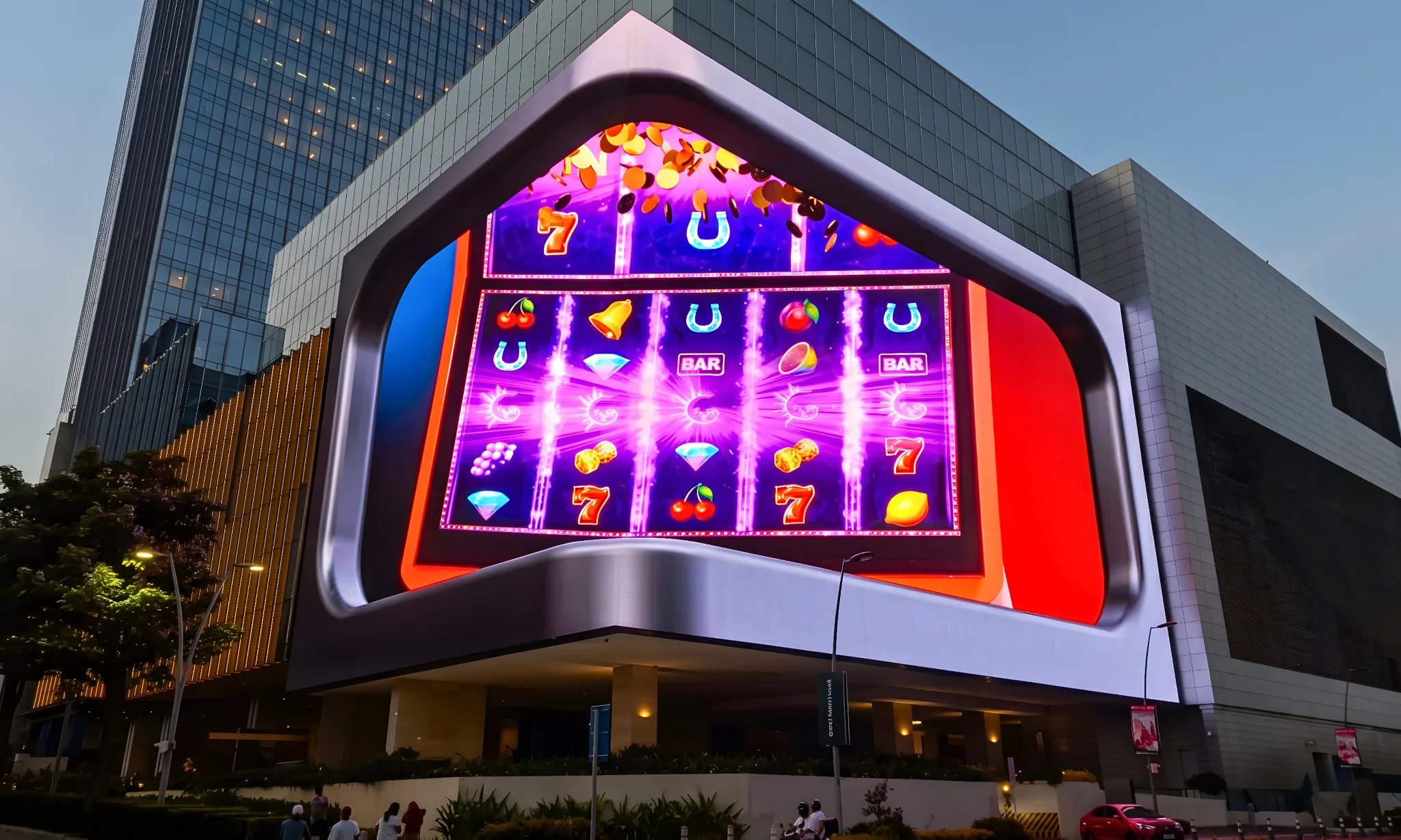
We create cinematic 3D animation, anamorphic experiences, branded motion graphics, digital art, and ambient visual content. Every animation is developed specifically for the dimensions and geometry of its display, creating depth, movement, and impact within the physical environment.

Experiential & Interactive Media

Our capabilities extend beyond traditional animation into interactive content, augmented reality, extended reality, responsive visuals, and immersive media. We combine storytelling and technology to turn architectural surfaces into dynamic experiences that invite participation and discovery.

Creative Direction & Story Development

Every project begins with an idea and a clear creative strategy. Our studio develops concepts, visual treatments, mood boards, storyboards, and animatics that establish the narrative, aesthetic, and emotional direction before production begins.

Elevating Visual Storytelling

Every environment demands a unique approach to content. Here is how we have partnered with global brands to deliver custom creative solutions that command attention.

Frequently Asked Questions About AV Content & Visualization​

Trust Fall develops original content for architectural displays, immersive environments, hospitality destinations, entertainment venues and digital landmarks. Our work can include creative direction, visual strategy, story development, storyboards, 3D animation, motion graphics, anamorphic content, digital art, ambient visuals, interactive media, display mapping and final deployment. The scope is built around what the space needs to do. That may be a single signature sequence, a complete launch package or a visual system that gives the operator room to evolve the experience over time.

The right content depends on the role the display plays in the environment. We first determine whether it needs to create atmosphere, tell a brand story, support a live moment, communicate information or invite participation. Then we consider the audience, viewing distance, dwell time, surrounding architecture, lighting, sound, operating schedule and brand standards. A hospitality space may need slowly evolving ambient art, while a launch or attraction may need a clear narrative with a defined reveal. The purpose comes before the visual style.

The process begins with the creative objective and the technical canvas. From there, Trust Fall develops concepts, visual treatments, mood boards, storyboards or animatics so the direction can be reviewed before full production begins. Approved ideas move into 2D or 3D production, animation and sound coordination as required. The final stages can include display mapping, media-server programming, playback testing and adjustments in the finished environment. The exact steps vary by project, but each review has a clear purpose and happens before the next expensive stage of production.

Yes. Existing footage, product renders, photography, logos and campaign elements can often be adapted, but simply enlarging or cropping them rarely produces the best result. We review the source quality, composition, typography, motion, brand colors and available usage rights, then rebuild the layout for the display and the way people will encounter it. When an asset will not hold up at the required scale or format, we identify that early and determine what needs to be recreated rather than hiding the problem in the final output.

Anamorphic content uses controlled perspective to create the illusion of depth on a flat or corner display. The scene is developed around the screen geometry and a primary viewing position so objects can appear to extend beyond the physical canvas. It works best when the audience approaches from a predictable direction and the project calls for a concentrated visual moment. It is not automatically the right answer for every display. Wide viewing areas, information-heavy content or locations without a useful viewing point may benefit from a different creative approach.

A standard video loop plays the same sequence on a fixed timeline. Interactive or responsive content changes according to an input, such as touch, movement, occupancy, time, show control or an approved data source. That means the project needs more than animation. The team must define behaviors, response timing, transitions, idle states and what happens when an input is unavailable. Trust Fall coordinates the creative, programming and playback system so the interaction feels intentional and the experience still works when no one is actively engaging with it.

A media server stores, processes and delivers content to one or more displays. It can map video across unusual surfaces, manage very high resolutions, synchronize multiple canvases and trigger content alongside lighting, audio or show-control cues. The server is selected and programmed around the complexity of the experience. A single conventional screen may only need a straightforward media player, while a large immersive environment may require synchronized playback, real-time rendering, redundancy and precise control. The playback system should match the content and operating needs rather than adding complexity for its own sake.

Testing confirms that the creative works in the real environment, not only on a production monitor. Trust Fall checks the native canvas, mapping, seams, perspective, color, contrast, frame rate, readability, playback stability, synchronization and programmed cues. Previsualization and test renders can resolve many issues before deployment, but final calibration may still require reviewing the work on the installed display from the audience’s actual viewing positions. Content is complete when it performs properly on the system and in the space where people will experience it.

Ready to Tell Your Story?

Whether you need comprehensive 3D pre-visualization for an upcoming build or content creation for an existing display network, our design studio is ready to collaborate. Let us transform your conceptual vision into a fully realized experience.