Mixed-Use & Retail Industry
Technology for
Mixed-Use & Retail
Destinations
From arrival media to interior moments, Trust Fall designs technology that helps properties guide movement, support tenants, create revenue opportunities, and make the destination feel more alive.
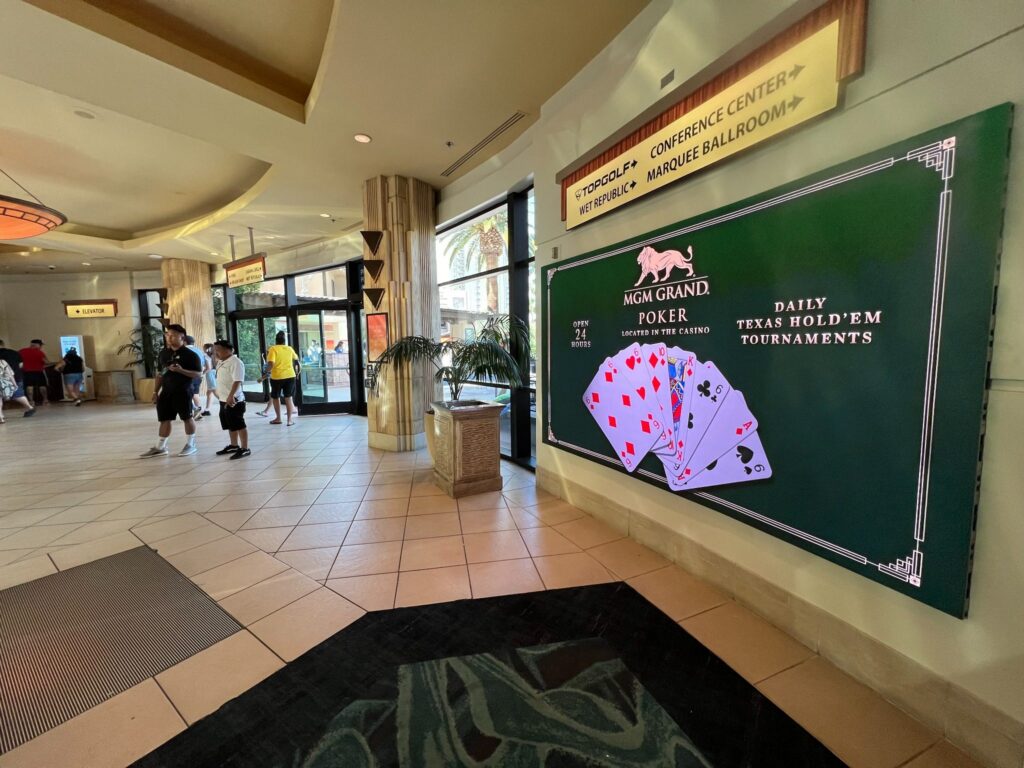
Mixed-use destinations are built from many moving parts: arrival, navigation, tenant visibility, retail energy, advertising value, and daily operations. Trust Fall partners with developers, property teams, architects, and retail operators to design technology that works across all of it. From exterior media and architectural LED to signage networks and immersive activations, we make the technology feel native to the place and useful from day one.
Technology That Makes Destinations Move
Architectural LED & Interior Media
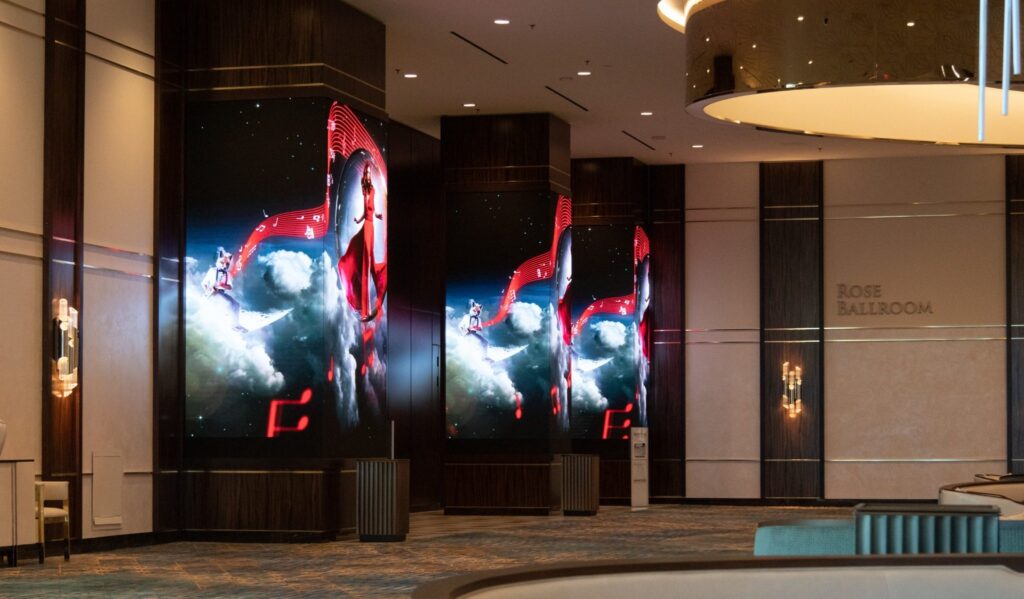
We design media into lobbies, atriums, corridors, and shared interior destinations so the technology feels native to the architecture. From curved LED and ceiling features to custom finishes and hidden service access, each system adds atmosphere, movement, and long-term value, without looking added-on.
Architectural LED & Interior Media
We design media into lobbies, atriums, corridors, and shared interior destinations so the technology feels native to the architecture. From curved LED and ceiling features to custom finishes and hidden service access, each system adds atmosphere, movement, and long-term value, without looking added-on.
Exterior Facades & Arrival Media
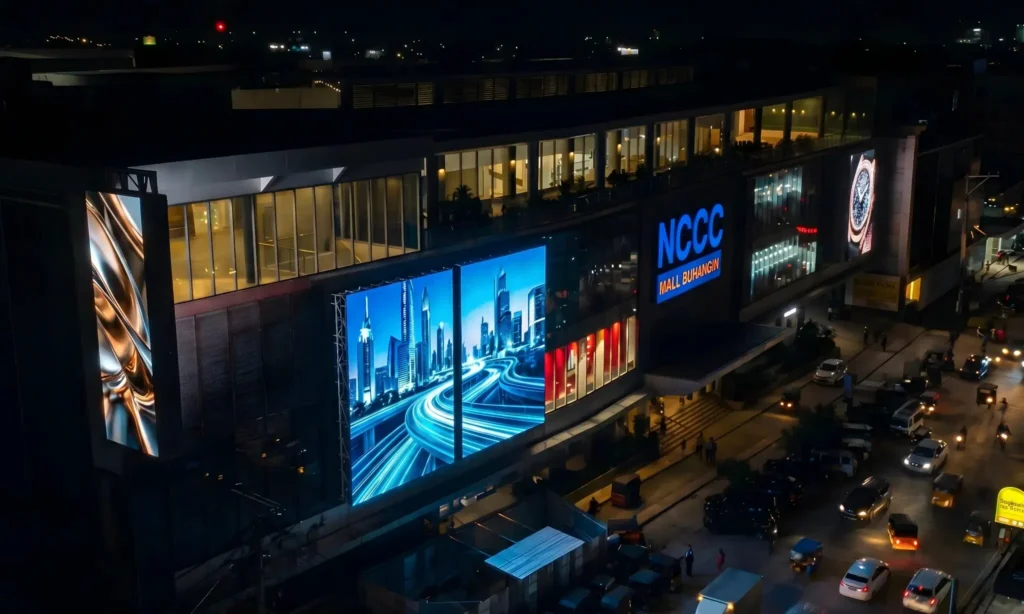
We turn exterior surfaces into high-impact arrival moments for tenants, guests, and advertisers. Facade media, entrance displays, and outdoor digital canvases are engineered for brightness, weather, service access, and the visibility mixed-use destinations need every day and night, across the property.
Exterior Facades & Arrival Media
We turn exterior surfaces into high-impact arrival moments for tenants, guests, and advertisers. Facade media, entrance displays, and outdoor digital canvases are engineered for brightness, weather, service access, and the visibility mixed-use destinations need every day and night, across the property.

Immersive Retail Activations
We help flagship stores, lifestyle centers, and retail corridors create real moments people stop for, photograph, and remember. Custom LED, interactive media, and content-ready environments bring product stories to life while keeping the installation precise, durable, and operationally simple at scale.
Immersive Retail Activations
We help flagship stores, lifestyle centers, and retail corridors create real moments people stop for, photograph, and remember. Custom LED, interactive media, and content-ready environments bring product stories to life while keeping the installation precise, durable, and operationally simple at scale.
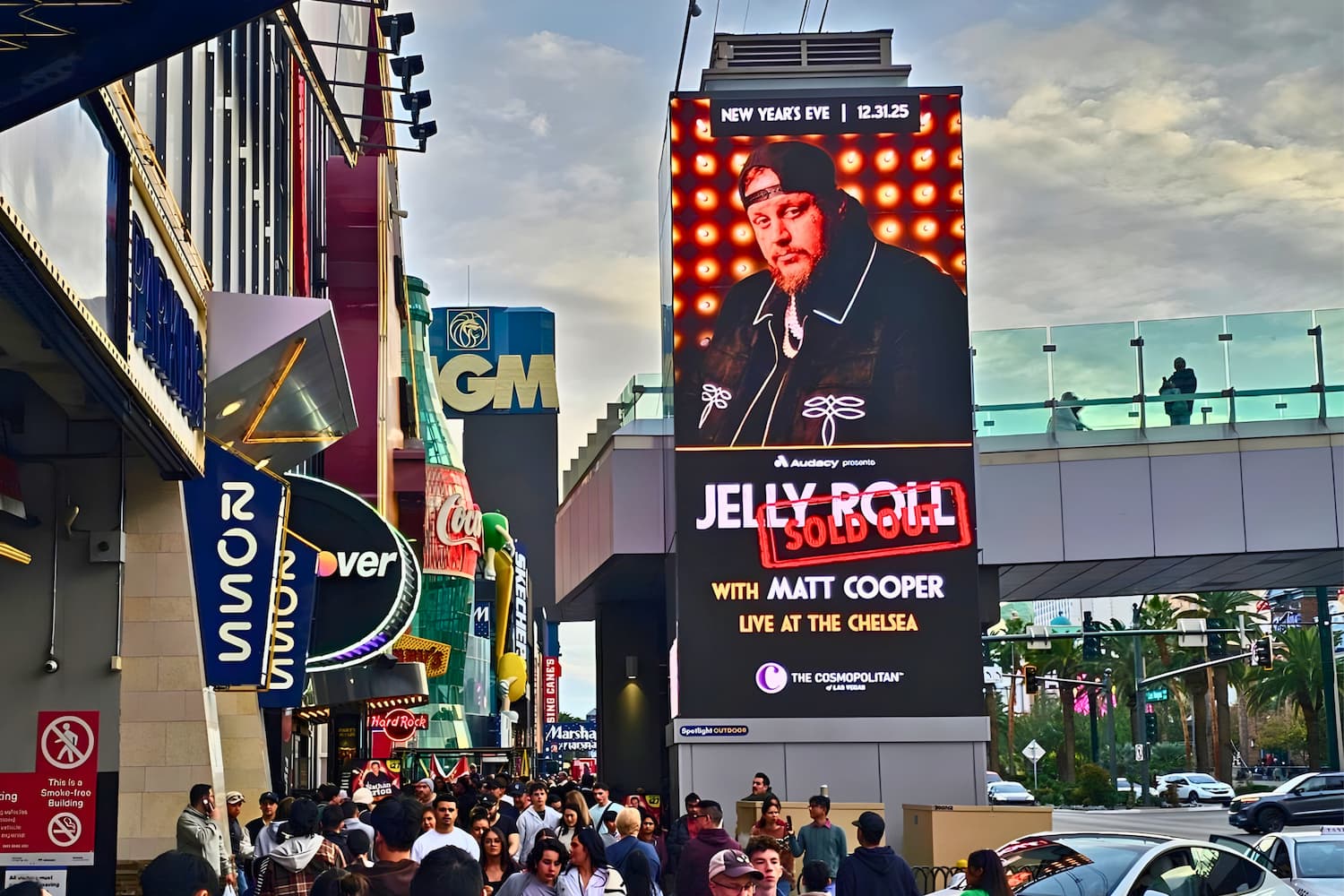
Connected Signage Ecosystems
We connect storefronts, directories, parking, elevators, corridors, and public spaces into one manageable media system. Property teams can update campaigns, tenant messaging, event schedules, wayfinding, and brand content with speed, clarity, and consistency across the full destination, at every level.
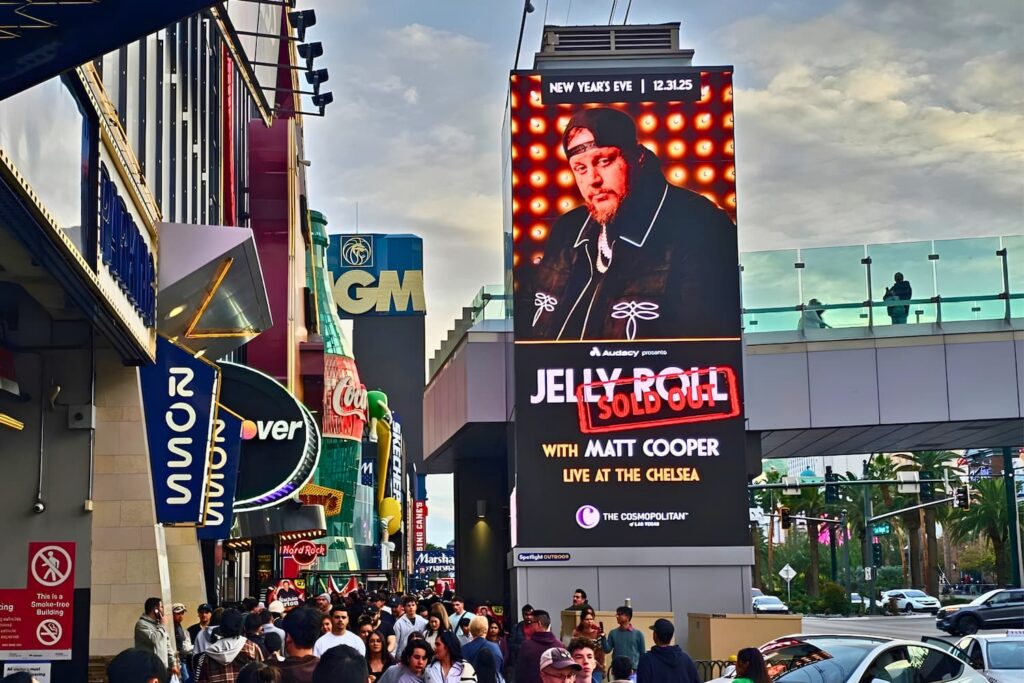
Connected Signage Ecosystems
We connect storefronts, directories, parking, elevators, corridors, and public spaces into one manageable media system. Property teams can update campaigns, tenant messaging, event schedules, wayfinding, and brand content with speed, clarity, and consistency across the full destination, at every level.
Designed for Impact.
Built to Perform.

Designed Around the Destination
Mixed-use and retail environments are never one-use spaces. We specify technology around sightlines, tenant needs, traffic patterns, content behavior, and operating teams so each display system supports the destination instead of simply decorating it.

One Partner From Concept to Launch
Complex properties need fewer handoffs, not more vendors. Trust Fall integrates design intent, engineering, fabrication, content readiness, installation, and support into a single accountable process, ensuring the technology stays aligned from the first sketch to public opening day.

Built for Daily Retail Reality
Retail technology has to stay bright, clear, and serviceable through long hours, high traffic, weather exposure, and constant content changes. We engineer for uptime, access, heat, durability, and simple management so the system keeps working after launch at scale.
FEATURED PROJECTS
Transforming the Built Environment
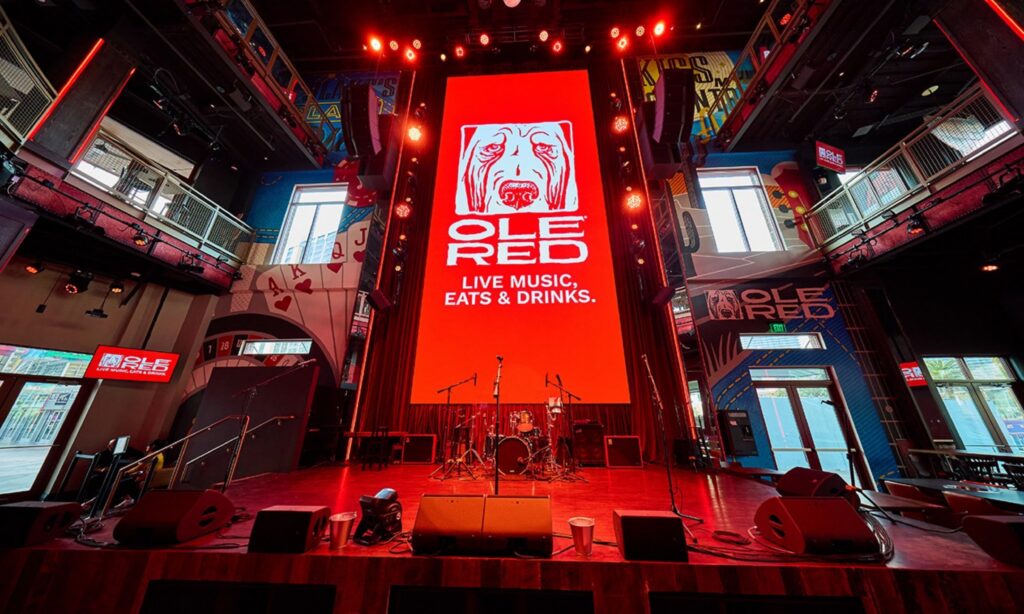
Ole Red (Multiple U.S. Locations)
Working with Ryman Hospitality across multiple Ole Red locations, Trust Fall delivered fine-pixel-pitch LED integration for both exterior and interior environments. Each venue presented unique architectural challenges, and our team engineered bespoke solutions that reinforced Ryman Hospitality’s brand leadership across a growing portfolio of mixed-use entertainment destinations.
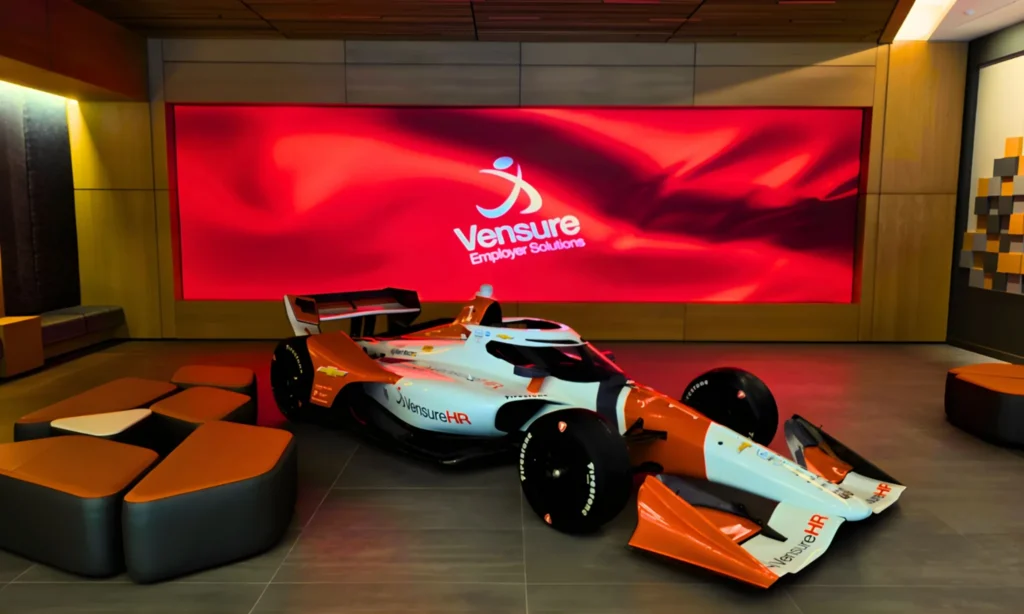
Vensure Employer Solutions
A landmark digital deployment integrated into the architecture of one of the world’s highest-traffic corridors. This large-format LED installation delivers ultra-high brightness and exceptional contrast, seamlessly blending premium advertising capabilities with the surrounding commercial environment.
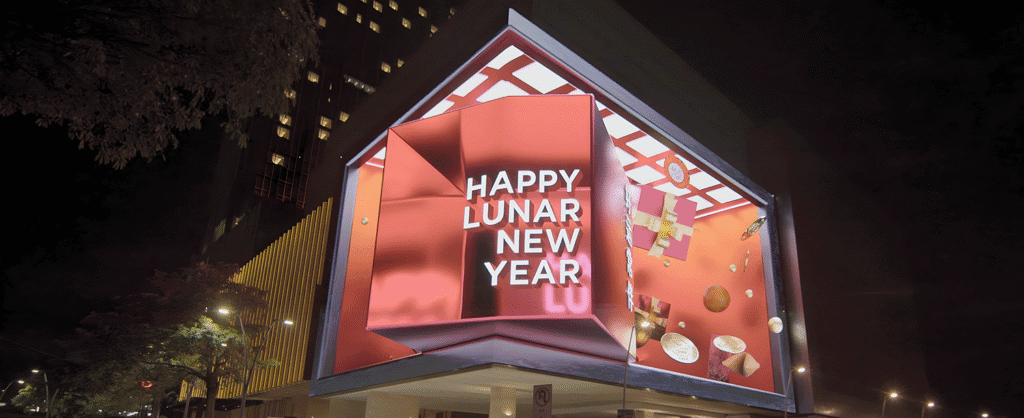
Solaire Resort & Casino
Serving as a premier technology partner for the luxury Solaire brand, we provided comprehensive AV integration, design-build services, and custom content development to create a world-class experiential environment for guests.
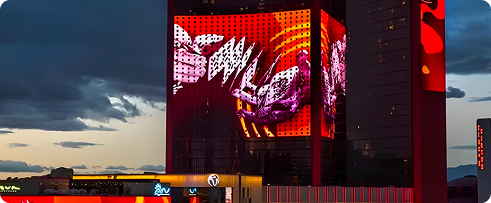
Zouk Nightclub (Las Vegas)
Located within an integrated resort, we elevated the venue’s ambiance through innovative LED video integration. Using a turnkey approach, we delivered a fully customized hardware solution tailored to the unique space, setting a new standard for nightlife entertainment.
Frequently Asked Questions
What technology systems are used in mixed-use and retail developments?
Mixed-use properties can combine arrival displays, directories, wayfinding, tenant signage, architectural LED, digital art, interactive media, event technology and exterior DOOH. The system mix should reflect how people move between retail, dining, entertainment, office, residential and parking areas. A destination benefits from a shared technical foundation, but each zone still needs content and control appropriate to its audience and operator.
How should digital signage be placed along the customer journey?
Placement should follow the decisions visitors need to make and the moments when they have time to notice content. Arrival points, transitions, vertical circulation, gathering areas, storefront approaches and exits each serve a different purpose. Sightline studies, dwell time, walking direction, ambient light and surrounding architecture help determine screen size and orientation. Starting with the journey prevents the project from filling available walls without improving navigation or experience.
How can one signage network support both tenants and property operations?
The network can separate content by zone, screen and user permission while maintaining central standards. Property teams may control wayfinding, events, safety and destination branding, while approved tenant content enters through scheduled templates or an approval workflow. The system should define campaign dates, file requirements, emergency overrides and who resolves conflicts between paid media and operational messages. Clear governance keeps the network useful as tenants and promotions change.
Can large-format LED function as architecture, digital art and advertising inventory?
Yes, but those roles need a deliberate hierarchy. A landmark display can support ambient art, property programming and paid campaigns at different times, provided the content plan respects the architecture and surrounding tenants. Resolution, brightness, audio, transition style and schedule all affect whether the installation feels integrated or intrusive. The commercial model should be defined early because it influences content control, measurement and the technical uptime expected from the system.
How is content approved across a mixed-use property with many stakeholders?
A useful workflow identifies the content owner, approver, publishing window and escalation path for each media zone. Brand standards, tenant agreements, advertising categories, event schedules and public messaging requirements should be reflected in permissions and templates. The content-management system can support the workflow, but it cannot replace a clear operating policy. Governance should be simple enough that approved updates can move quickly without bypassing review.
How can digital media preserve storefront visibility and architectural openness?
The design can use transparent LED, mesh, carefully placed displays or media integrated into solid architectural surfaces, depending on the sightline and content goal. Transparency percentages alone do not determine the result. Mullions, cabling, viewing angle, ambient light and the image shown when the screen is active all affect what visitors see. Mockups and renderings help the project team evaluate the balance between digital impact, daylight and views before committing to a system.
How can a retail media system adapt to seasonal campaigns and tenant changes?
Adaptability comes from reusable content zones, templates, permissions and infrastructure sized for realistic future changes. A new tenant should be able to join the network without redesigning every screen, and seasonal programming should be scheduled without disrupting wayfinding or operational messages. Documented pixel canvases, file standards and approval deadlines give brands and agencies a predictable way to deliver creative that will display correctly.
How should a mixed-use property measure digital-signage performance?
Metrics should follow the purpose of each zone. A directory can be evaluated through search behavior, route completion and support requests. Tenant media may use proof of play, campaign delivery or approved audience measurement. An event display may be judged by programming flexibility and attendance patterns. Uptime, publishing speed and operator effort matter across the network. The property should define these measures before launch and avoid treating foot traffic or sales changes as the result of signage without a credible method of attribution.
Ready to Elevate Your Property?
Whether you are developing a new mixed-use tower, modernizing a retail center, or looking to add a high-impact digital presence to an existing commercial property, our team is ready to engineer a solution built around your vision.