Live Event Production

Every Moment Defined.
Every Cue Delivered.

From creative strategy and production design to technical engineering, broadcasting, and show execution, we bring every element of the live experience together. Our teams coordinate staging, video, audio, lighting, content, and control to deliver events with precision, energy, and impact.

Complete Production From Strategy to Final Cue

Great live events require more than equipment. They demand a clear creative vision, detailed technical planning, and an experienced team that can perform under pressure. We manage the complete production process, combining technology consulting, production design, engineering, fabrication, logistics, programming, broadcasting, rehearsals, and on-site show management.

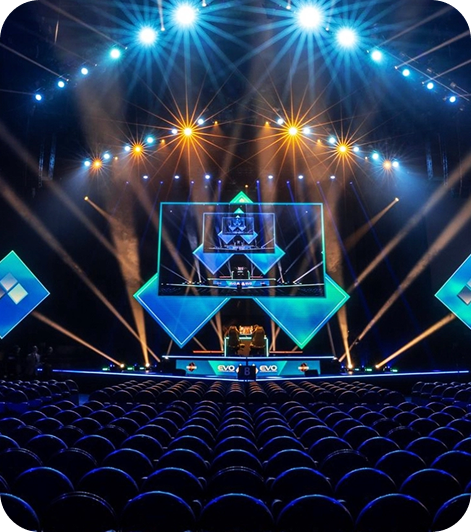
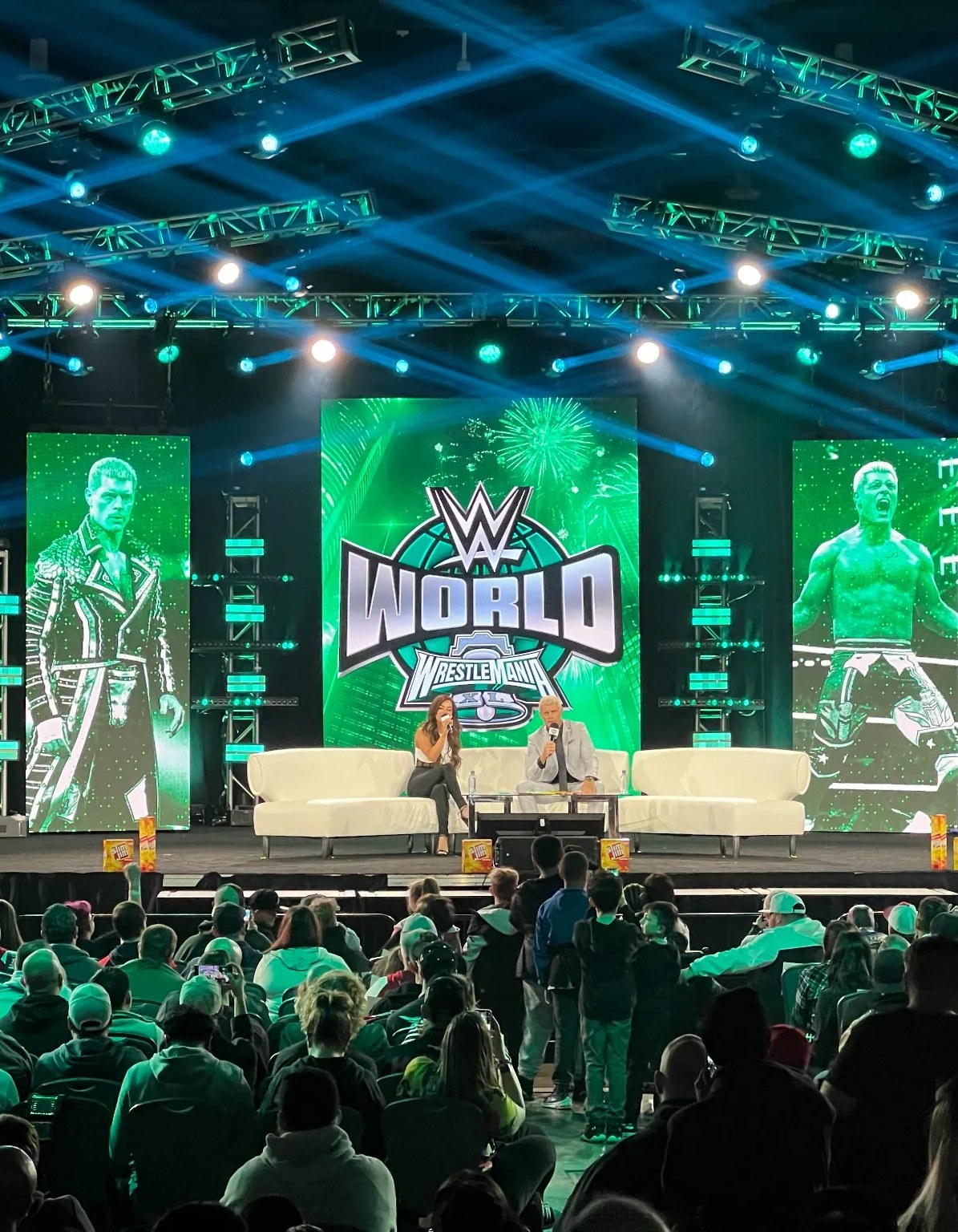
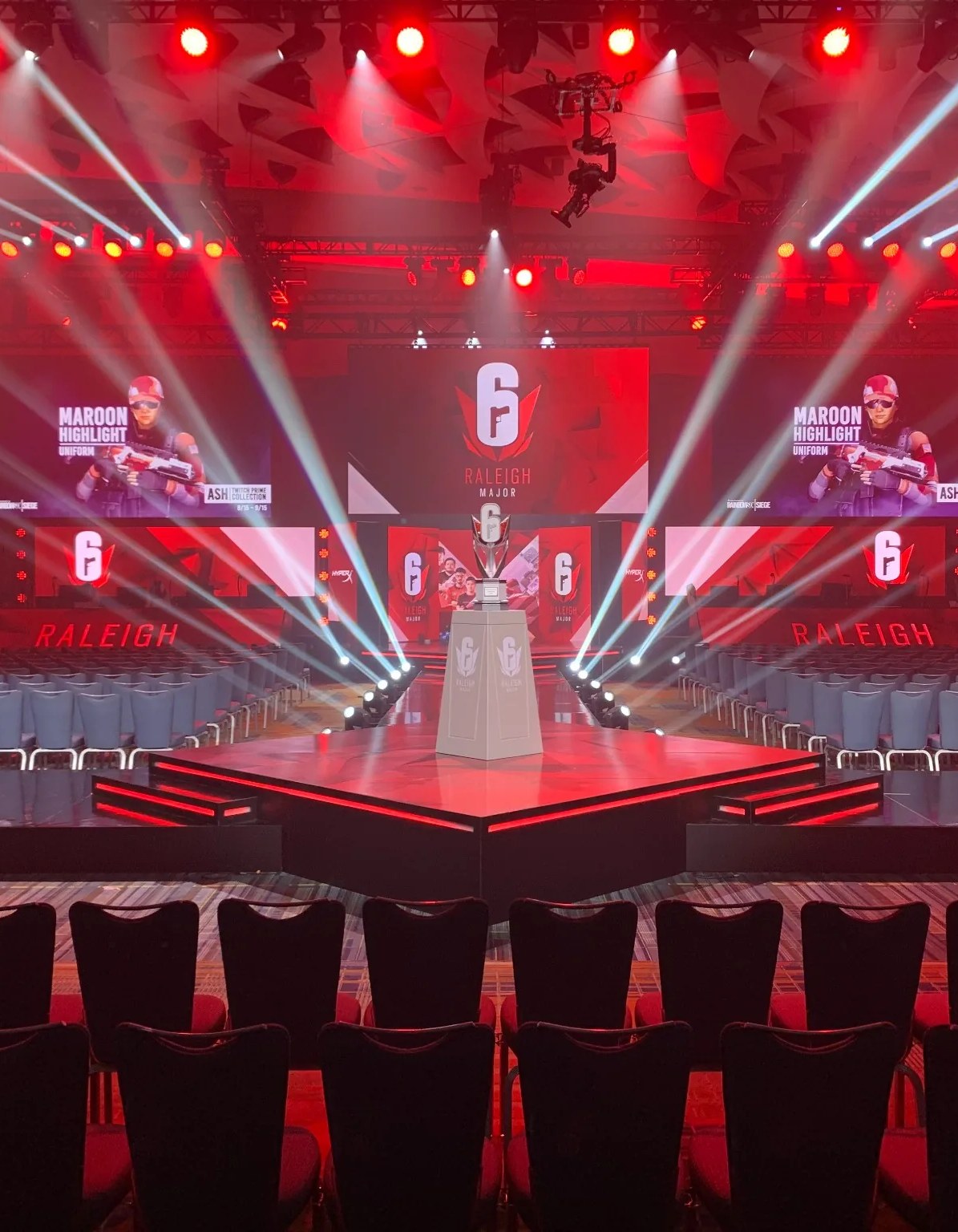
From corporate presentations and brand activations to entertainment productions, esports, and broadcast events, we coordinate all departments around a unified plan. The result is a cohesive experience in which the stage, technology, content, talent, and audience work together in real time.


Production Design & Implementation

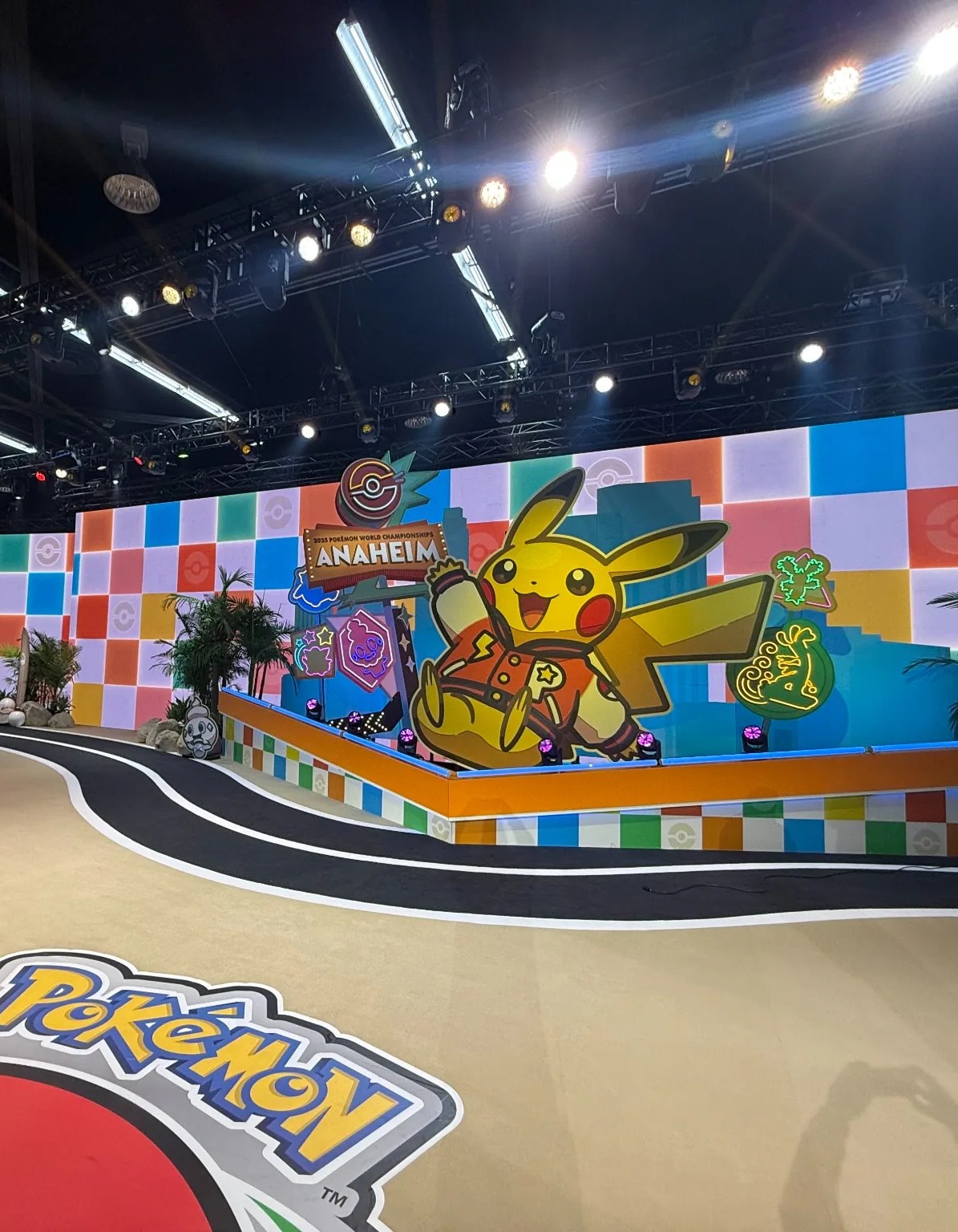
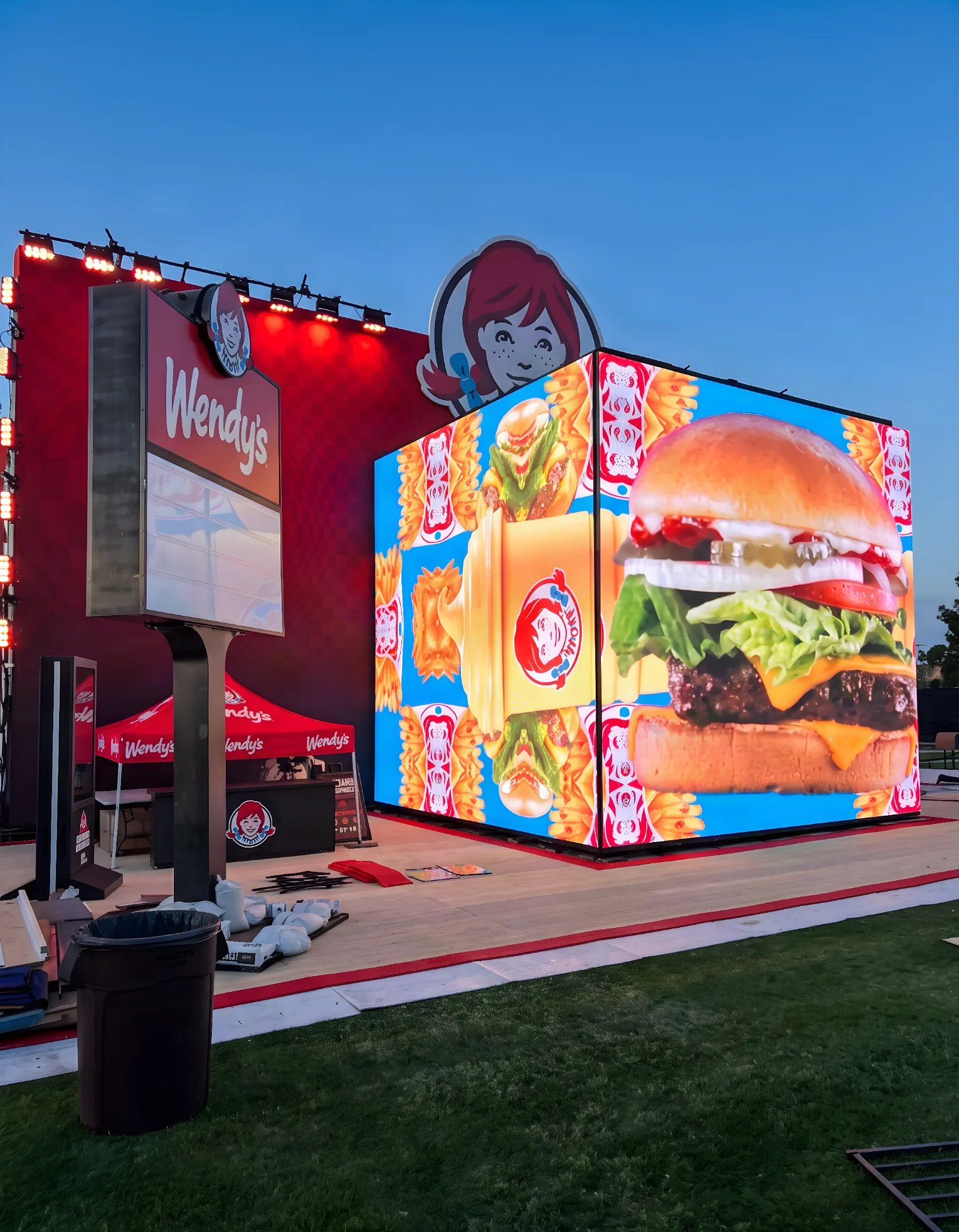
We transform creative concepts into complete production environments. Our team develops stage layouts, scenic elements, custom structures, broadcast desks, rigging plots, and branded features, supported by detailed drawings and fabrication planning for efficient installation and striking visual impact.

Pre-Visualization
and Show Programming

Before equipment arrives on site, we visualize the complete experience in 3D. This allows teams to evaluate staging, sightlines, lighting, content placement, and technical requirements in advance. We then develop the programming, cues, and show sequences that bring every element together.

Technical Production and Event Management

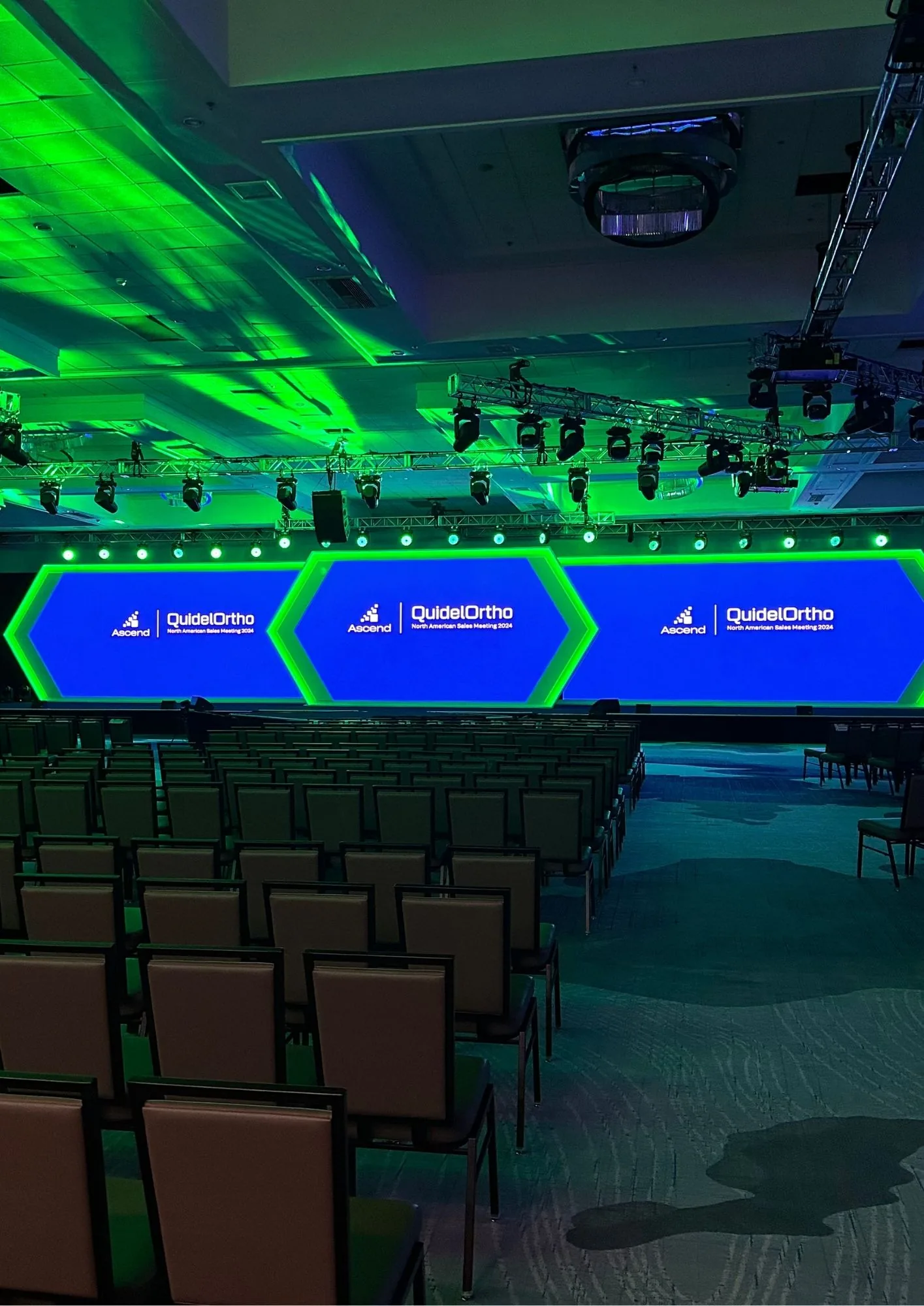
We manage the complete technical production scope, including audio, lighting, LED video, control systems, production infrastructure, crews, schedules, rehearsals, and live production. Every department works from one coordinated production plan, keeping creative and technical teams aligned from preparation through showtime.

Execution Under Pressure

Live events offer no second chances. Here is how we deliver uncompromising results when the stakes are highest.

Frequently Asked Questions
About Live Event Production

A live event production company turns the creative and business objectives for an event into a coordinated technical environment. That can include production design, staging, audio, lighting, LED video, rigging, scenic fabrication, content playback, broadcasting, show control, crews, logistics, rehearsals and onsite execution. An event planner may manage the venue, guests, registration, catering and the wider program. The production team works alongside those stakeholders to make sure the audience can see, hear and experience every part of the show as intended.

For a complex event, production should be involved once the objectives, approximate audience, date and venue options are being defined. Early involvement allows the team to evaluate room dimensions, sightlines, rigging, power, acoustics, internet connectivity, load-in access and venue rules before the design is locked. A straightforward meeting may need less lead time, while a custom stage, broadcast, esports tournament or multi-stage program benefits from much earlier coordination. The right starting point depends on the show, not a universal countdown.

Technical pre-production turns the show concept into a plan that crews and vendors can execute. Depending on the event, that may include stage and room layouts, 3D visualization, rigging plots, power and network plans, audio and video signal flow, lighting design, equipment schedules, labor calls, freight and load-in plans, show-control programming, communications and a detailed run of show. The team also coordinates venue approvals and identifies decisions that could affect safety, schedule or cost before equipment arrives onsite.

Venue AV can be a practical fit for meetings with standard audio, projection and lighting requirements. A dedicated production company becomes more valuable when the event involves a custom stage, scenic fabrication, large-format LED, broadcast, complex content, specialized show control, multiple rooms or a consistent design that must travel between venues. The two teams can also work together. The important question is which partner will own the complete production plan and how responsibilities, equipment, labor, access and venue requirements will be divided.

Every department works from the same production plan, cue structure and communications system. The stage design establishes where the audience, presenters, cameras and technical elements need to be. Audio, video, lighting, content and show control are then programmed around the same sequence of moments. During the event, department leads follow the show caller or technical director so transitions happen together rather than as separate technical actions. That coordination is what turns individual systems into one live experience.

A technical rehearsal tests the parts of the show that depend on timing, people and technology working together. The team can review content playback, microphone handoffs, camera positions, presenter movement, lighting states, transitions, playback cues, remote contributions and operator communications. Complex sequences may also be rehearsed cue by cue before a complete run-through. The purpose is to find unclear instructions, timing problems and technical conflicts while there is still time to correct them, not to repeat the program without a defined reason.

Contingency planning starts by identifying which failures would interrupt the show and then applying the right level of protection. Depending on the event, that can include backup playback, spare equipment, alternate signal paths, local copies of critical media, redundant communications, backup power or network options and clear escalation procedures. The team also defines who can approve a change and how updates reach every department. No production can remove every risk, but a coordinated backup plan prevents a single problem from automatically becoming an audience-facing failure.

Multi-stage events require one master production schedule supported by clear ownership at each stage or room. Dedicated leads manage local crews and cues, while shared standards govern communications, content delivery, signal distribution, network use, rehearsals and reporting across the venue. Load-ins and turnovers are sequenced so teams are not competing for the same docks, equipment or access windows. When stages share broadcast feeds, presenters or program moments, those handoffs are planned centrally so each room can operate independently without losing connection to the larger event.

Ready to Command the Stage?

From concept and CAD development to final show management, our production team ensures your next corporate meeting, broadcast tournament, or live entertainment event is executed without compromise.