
Digital Out-of-Home
Advanced DOOH Technology
for Digital Billboards & LED Displays
A modern standard for Digital Out-of-Home (DOOH) deployment. We deliver turnkey LED displays, digital billboards, and outdoor-rated displays engineered for impact in any environment.

Modern DOOH advertising requires more than a traditional video provider. It requires a technology partner capable of delivering solutions that unite proprietary design, system integration, and rugged innovation. Trust Fall Technology Group provides media network operators, property developers, and outdoor advertisers with highly engineered, future-ready LED experiences. From concept to commissioning, we build outdoor digital canvases that command attention and withstand extreme climates without performance degradation.
The DOOH Technology Lineup
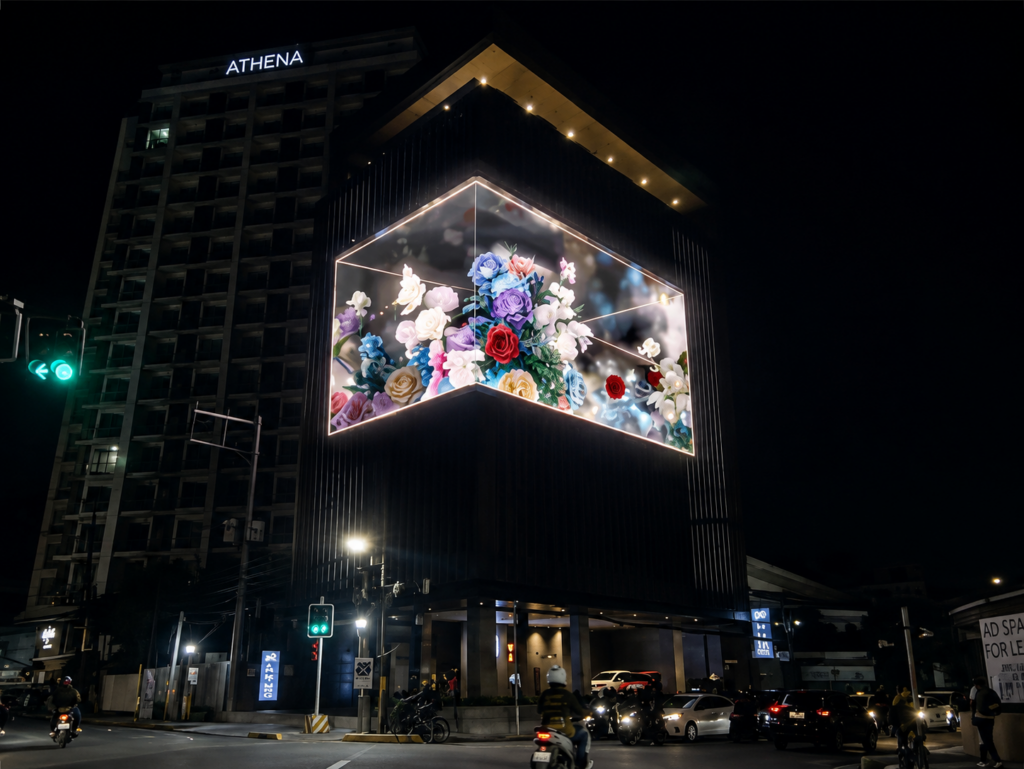
Large Format Spectaculars
Built for corners, facades, rooftops, and landmark sites, LED spectaculars must work at scale, from a distance, in daylight, or at night. We design around structure, service access, brightness, contrast, weather, and content behavior so the display feels bold from the street and dependable behind the scenes.
Large Format Spectaculars
Built for corners, facades, rooftops, and landmark sites, LED spectaculars must work at scale, from a distance, in daylight, or at night. We design around structure, service access, brightness, contrast, weather, and content behavior so the display feels bold from the street and dependable behind the scenes.
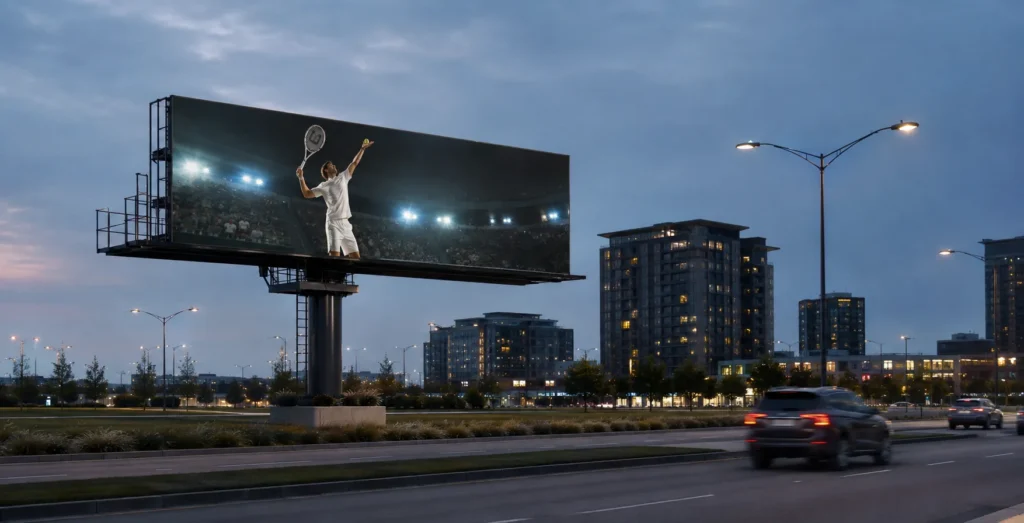
Billboard Technology Built to Deploy Fast
Our proprietary billboard system is designed to compress the path from fabrication to live media. With modular sections, single-container shipping, and custom-engineered components, Trust Fall helps DOOH operators install faster, reduce site complexity, and keep the display built for 24/7 performance.
Billboard Technology Built to Deploy Fast
Our proprietary billboard system is designed to compress the path from fabrication to live media. With modular sections, single-container shipping, and custom-engineered components, Trust Fall helps DOOH operators install faster, reduce site complexity, and keep the display built for 24/7 performance.
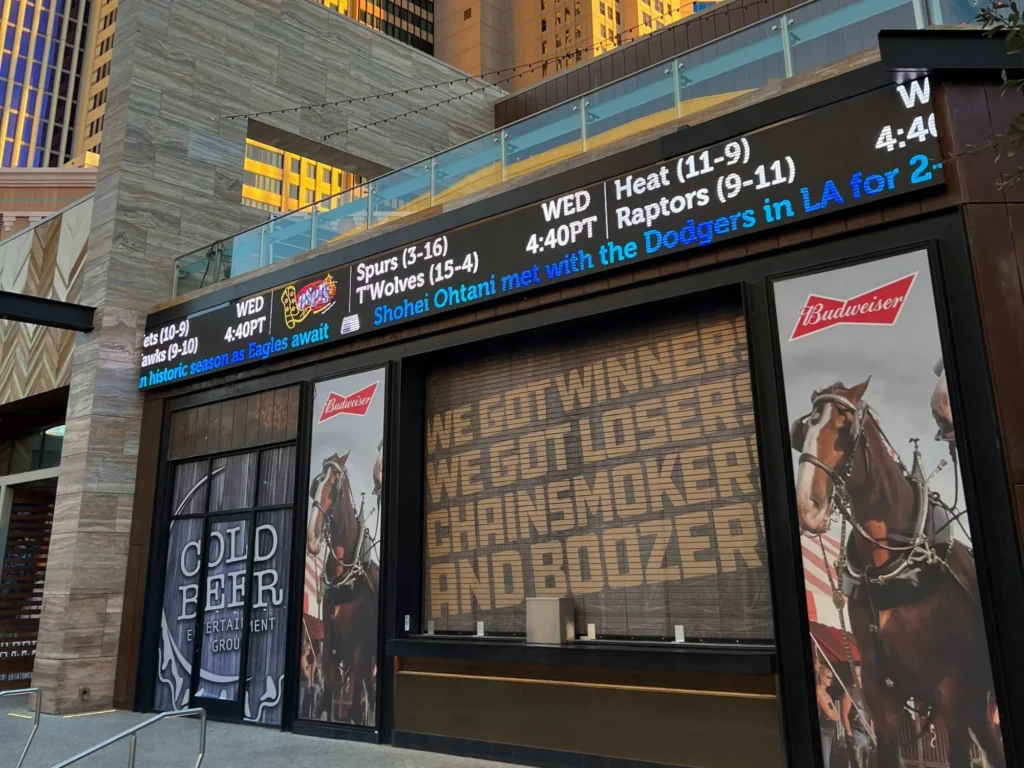
Built for Any Element
Outdoor environments punish ordinary displays. Ours are engineered for all of it: wind-permeable mesh that cuts structural load in half, UV-resistant encapsulation that holds color integrity across temperature extremes, and lens technology that keeps every image sharp in direct sunlight. With IP66-rated protection and lifespans beyond 100,000 hours, our outdoor systems are built to perform through every season without compromise.
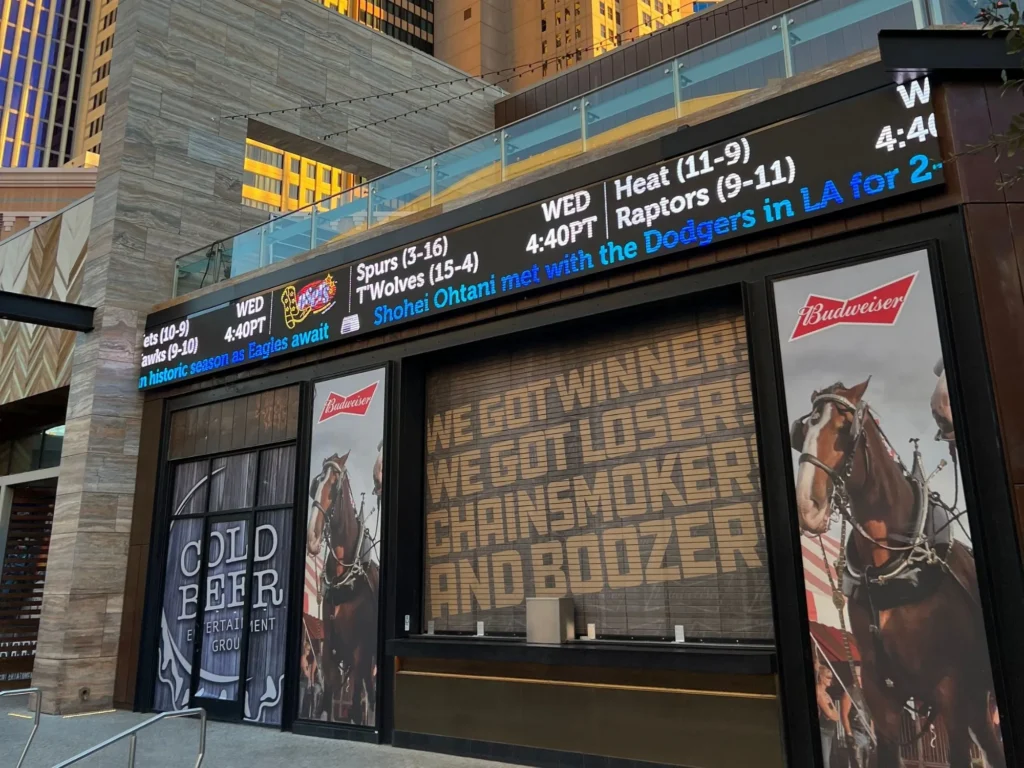
Built for Any Element
Outdoor environments punish ordinary displays. Ours are engineered for all of it: wind-permeable mesh that cuts structural load in half, UV-resistant encapsulation that holds color integrity across temperature extremes, and lens technology that keeps every image sharp in direct sunlight. With IP66-rated protection and lifespans beyond 100,000 hours, our outdoor systems are built to perform through every season without compromise.
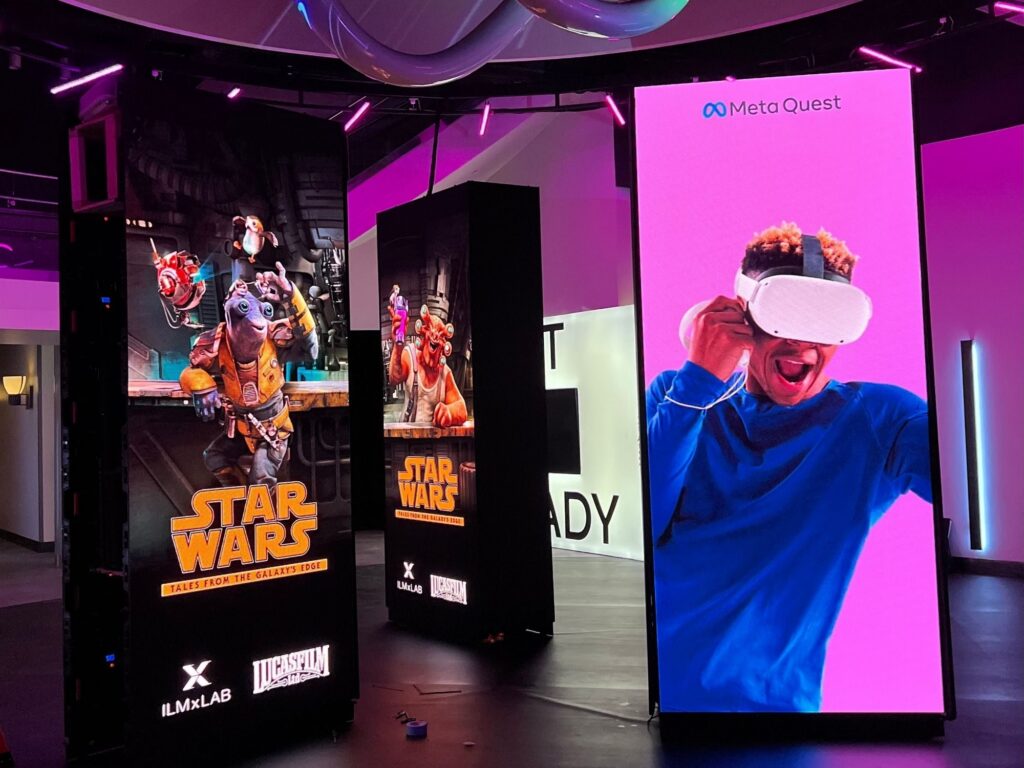
Mobile & Street-Level Advertising
Fine-pitch outdoor LED and mobile advertising systems are built for close viewing, street-level attention, and demanding daily use. We focus on brightness, heat management, service access, image quality, and rugged construction so the message stays sharp in traffic, daylight, and changing environments.
Mobile & Street-Level Advertising
Fine-pitch outdoor LED and mobile advertising systems are built for close viewing, street-level attention, and demanding daily use. We focus on brightness, heat management, service access, image quality, and rugged construction so the message stays sharp in traffic, daylight, and changing environments.
Built by Experts,
Proven by Experience

Proprietary In-House Engineering
We engineer DOOH systems around the site, not a stock cabinet. LED chips, PCB architecture, brightness, contrast, heat behavior, and service access are specified together so each display is built for the environment, the viewing distance, and the revenue model.

Built for Faster Deployment
Our proprietary billboard platform cuts friction from fabrication to live media. Modular sections, single-container logistics, and planned service access help qualified sites move from delivery to install in as little as one day, with a cleaner path to revenue.

Reliability After
Launch
Outdoor media has to stay live to keep earning. We design for IP-rated weather protection, UV exposure, passive heat dissipation, diagnostics, and 24/7 operation so image clarity, stability, and serviceability hold long after launch, in real outdoor conditions.
FEATURED PROJECTS
Transforming the Urban Landscape
Vegas Strip Tower Network
A landmark DOOH deployment commanding one of the world’s highest-traffic entertainment corridors. This large-format LED installation delivers ultra-high brightness and exceptional contrast, ensuring maximum visibility for premium advertisers under the intense Nevada sun.
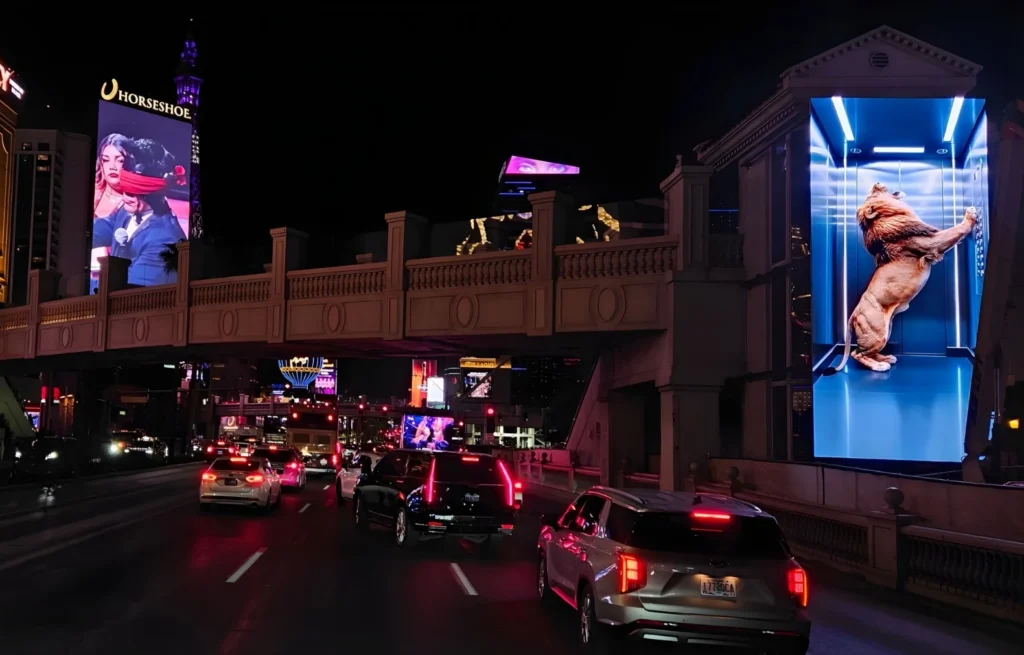

The Billboard Series
The Billboard Series is engineered in-house from the component level up. Premium LED chips deliver 8,000+ nits of brightness with strong contrast under direct sunlight, protected to IP66 for continuous 24/7 operation. The modular platform ships in a single container and installs in one to two days on site, reducing logistics, accelerating deployment, and running at 25 percent lower energy consumption.
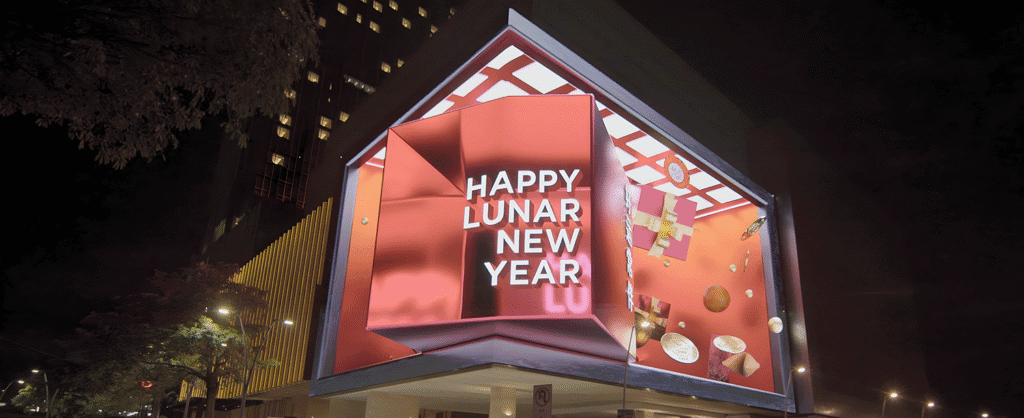
Solaire Resort & Casino
Serving as a premier technology partner for the luxury Solaire brand, we provided comprehensive AV integration, design-build services, and custom content development to create a world-class experiential environment for guests.
Zouk Nightclub (Las Vegas)
Located within an integrated resort, we elevated the venue’s ambiance through innovative LED video integration. Using a turnkey approach, we delivered a fully customized hardware solution tailored to the unique space, setting a new standard for nightlife entertainment.
Frequently Asked Questions
What is digital out of home advertising, and how is it different from traditional out of home media?
Digital out of home, or DOOH, uses networked digital displays in public spaces to present scheduled, changeable media. Traditional out of home relies on a printed or physically installed creative that remains in place until it is replaced. A DOOH operator can rotate campaigns, daypart content, coordinate multiple locations and update approved messaging remotely. That flexibility also adds requirements for power, connectivity, content management, monitoring, service and local compliance that a static face does not have.
What determines the right LED display for a DOOH location?
The right display is determined by how the audience will encounter the site. Viewing distance, traffic speed, angle, dwell time, ambient light, screen dimensions and content detail all affect pixel pitch, brightness and physical format. The design must also account for structure, wind, heat, weather exposure, power, connectivity, local lighting limits and safe service access. A highway bulletin, street-level kiosk and urban spectacular should not be specified from the same product checklist.
What should be evaluated before converting a static billboard to digital?
A conversion begins with the site, not the display quote. The team should confirm zoning and permitting, structural capacity, wind loading, power, communications, setbacks, viewing conditions, installation access, illumination rules and the operator’s media plan. Existing steel may require verification or modification, and the expected content rotation affects control and connectivity. These checks establish whether the location can support a dependable digital asset and what work is required before equipment is ordered.
How are multiple DOOH displays managed as one network?
A DOOH network uses a content-management and monitoring platform to organize displays, schedules, campaigns, proof of play and user permissions across locations. The operator can maintain central control while assigning limited access to local teams or media partners. Network design should also define how creative is validated, how emergency or public-service messages override a schedule, what happens during a connectivity loss and how device health is reported. Hardware and software need to be planned together for the operating model to remain manageable as the network grows.
How do outdoor LED displays remain readable in direct sun and comfortable at night?
Outdoor readability depends on contrast, optical design, viewing angle and automatic brightness control, not the highest brightness number alone. The display needs enough output for its daytime conditions, then must dim smoothly as ambient light falls so content remains clear without creating unnecessary glare. Louvers, LED selection, calibration and creative design also affect perceived contrast. Site lighting rules and nearby properties should be considered during specification and commissioning.
What protects a DOOH display from weather and heat?
Protection comes from the complete mechanical and electrical design. Outdoor modules, cabinets, power and data systems need appropriate ingress protection, drainage, corrosion resistance, thermal management and fastening for the site conditions. Wind, dust, rain, temperature swings, salt air and solar exposure can create different requirements. Ratings are useful, but they do not replace an engineering review of the enclosure, structure, airflow, wiring and maintenance plan as one system.
How should service access and remote monitoring be planned for a digital billboard?
Service planning should identify how technicians will reach modules, power supplies, data components and control equipment safely without extended media downtime. Front or rear access, catwalks, lifts, traffic control and fall protection may influence the structure. Remote monitoring can report power, communication, temperature and display faults, but the operator still needs local spares, escalation procedures and qualified field support. These decisions belong in the design because they affect both the cabinet and the site.
What determines the total cost of ownership of a DOOH display?
Total cost includes more than the display purchase. Structural work, permitting, installation, power, connectivity, software, content operations, preventive maintenance, replacement parts, access equipment and service interruptions all affect the lifecycle. Energy use and the time required to replace a module can matter at network scale. A useful comparison looks at expected operation and support over time, while keeping media revenue assumptions separate and clearly stated rather than treating them as guaranteed performance.
What Is The Difference Between DOOH And Traditional OOH Advertising?
Digital Out-of-Home (DOOH) advertising utilizes digital screens, such as LED billboards and urban spectaculars, to display dynamic, programmable content. Unlike traditional static OOH advertising, DOOH allows media operators to rotate multiple campaigns, schedule dayparted messaging, and update creative instantly without the recurring costs of physical production and installation.
How Long Do Outdoor LED Billboards Last?
A high-quality outdoor LED billboard is engineered for long-term 24/7 operation. Trust Fall’s DOOH displays utilize premium NationStar LED chips and enhanced heat dissipation to maximize longevity. Depending on the specific technology tier and environmental conditions, our premium upgraded chips are designed to maintain superior brightness and performance for well over a decade of continuous use.
What Does IP66 Mean For Outdoor Digital Signage?
Outdoor dayclubs require specialized AV technology built for extreme conditions. This includes ultra-high-brightness LED displays that remain visible in direct sunlight and weather-resistant, high-fidelity audio systems that deliver clear, powerful sound across expansive pool areas without distortion.
How Do Wind-Permeable Mesh LED Screens Work?
Wind-permeable mesh LED technology uses a lightweight, breathable structure that allows air to flow through the display. This design significantly reduces wind load on the supporting architecture, making it ideal for building facades and freestanding structures. Trust Fall’s mesh displays achieve this structural advantage while maintaining full contrast retention and visual impact.
What Is Pixel Pitch And Why Does It Matter For DOOH?
Pixel pitch is the distance in millimeters between the centers of one LED pixel and the next. A smaller pixel pitch results in higher resolution, which is critical for displays viewed from a close distance, such as urban street furniture or taxi tops. Larger-format highway billboards can use a larger pixel pitch, since the audience views the screen from much farther away.
Let's Build Something Extraordinary
At Trust Fall, we transform vision into experience, where the world’s most advanced entertainment and media technology brings ideas to life. With over 25 years of experience, we have successfully delivered 500+ projects across various industries. Our global presence is supported by three offices worldwide, allowing us to connect with a diverse client base. Reach out to our expert team to discuss your next DOOH deployment and discover what we can build together.