Design Trends

Designing What Comes Next

Technology is becoming part of the architecture, adapting to audiences and transforming how people experience physical spaces. Explore the trends shaping the future of creative technology design and the environments we build.

From Displays to Structural Elements

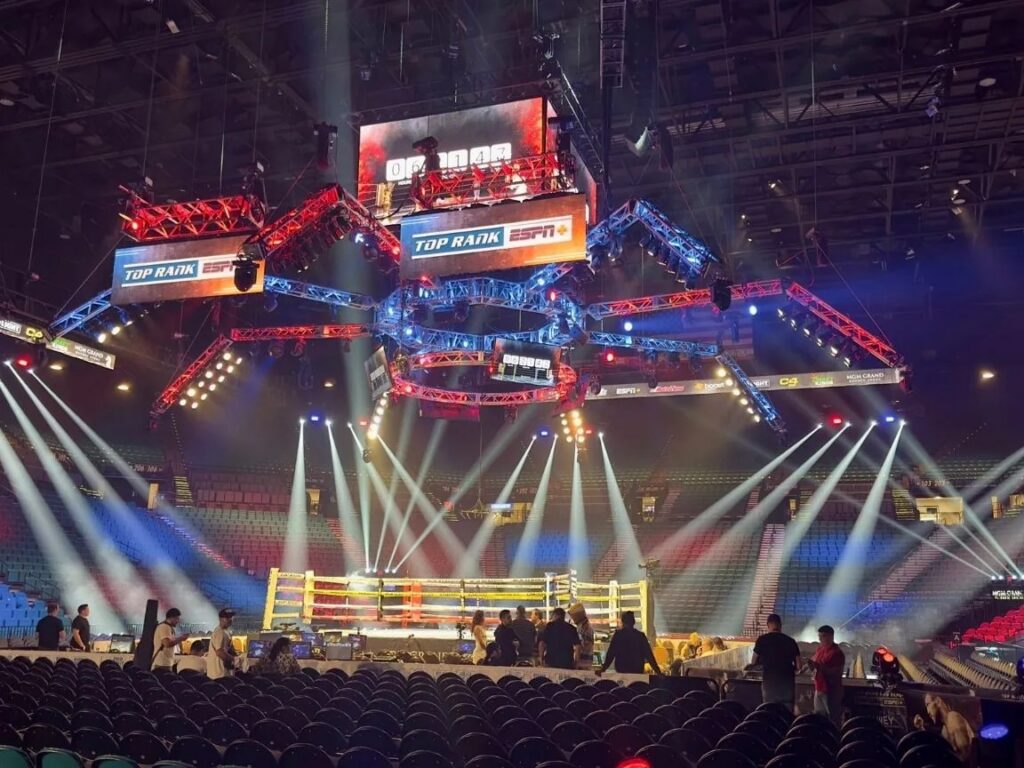
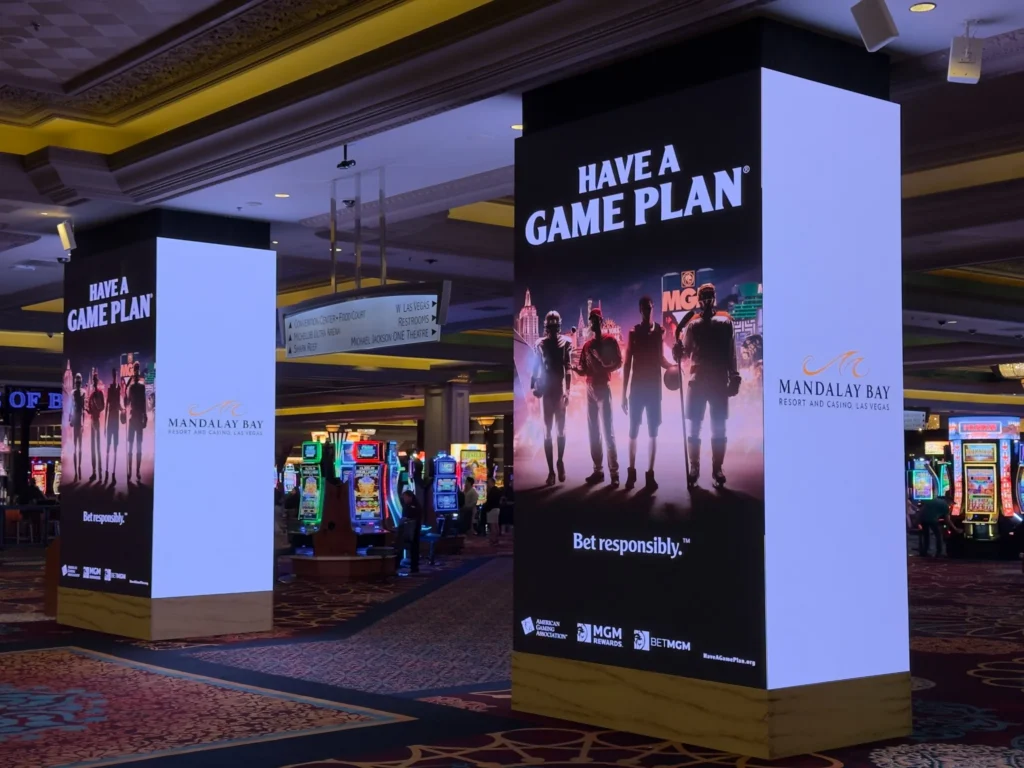
The most impactful environments today treat digital displays as foundational architectural elements, not afterthoughts. Through component-level engineering and custom PCB fabrication, LED technology can now wrap around columns, contour to curved ceilings, and embed seamlessly into custom framing, becoming a natural extension of the architecture rather than a surface mounted to it.

transparent led

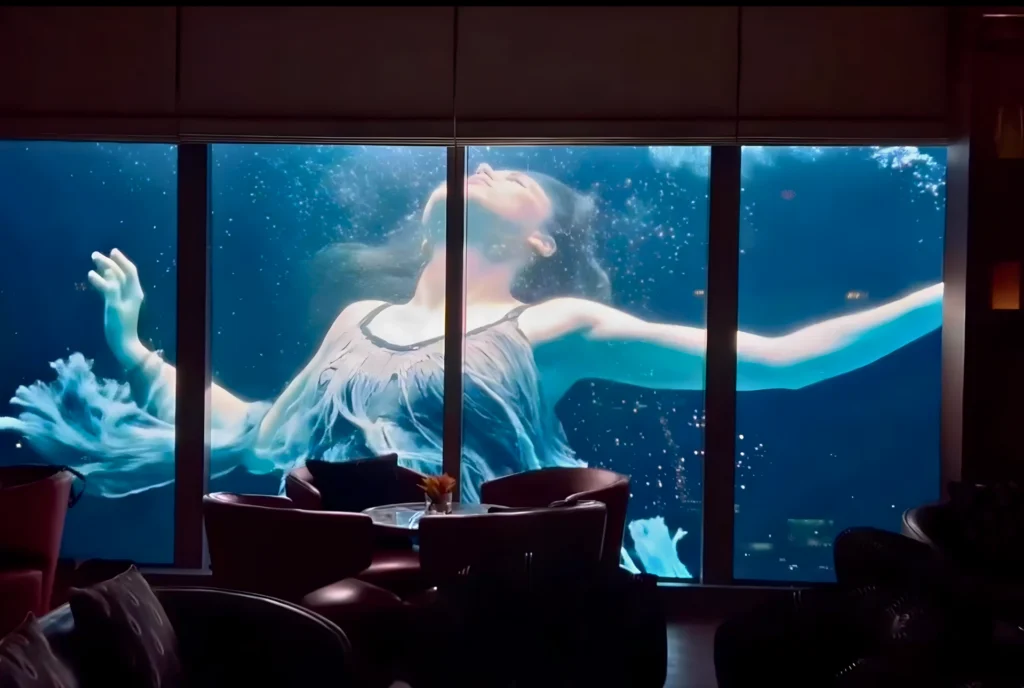
Preserving the View with Transparent LED

Transparent displays are turning windows and glass surfaces into dynamic digital canvases without sacrificing natural light, openness, or valuable sightlines.

We integrate this technology directly into the architecture, carefully coordinating display placement, structural support, concealed wiring, and content behavior. When activated, the glass comes alive with visual content. When idle, the technology recedes into the environment.

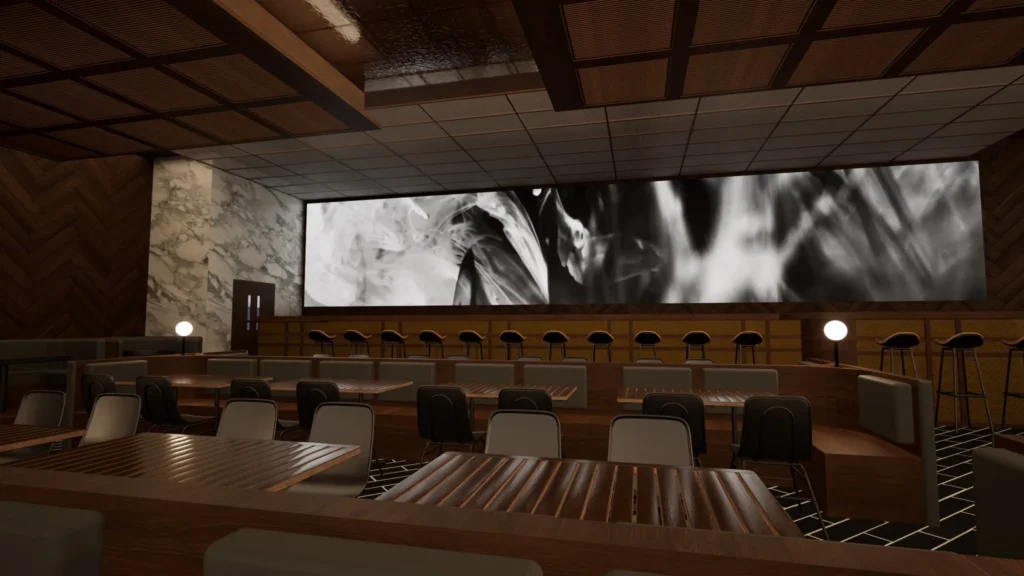
Proving the Concept Before the Build

As technology becomes more deeply integrated into architecture, decisions made early in the design process become increasingly important.

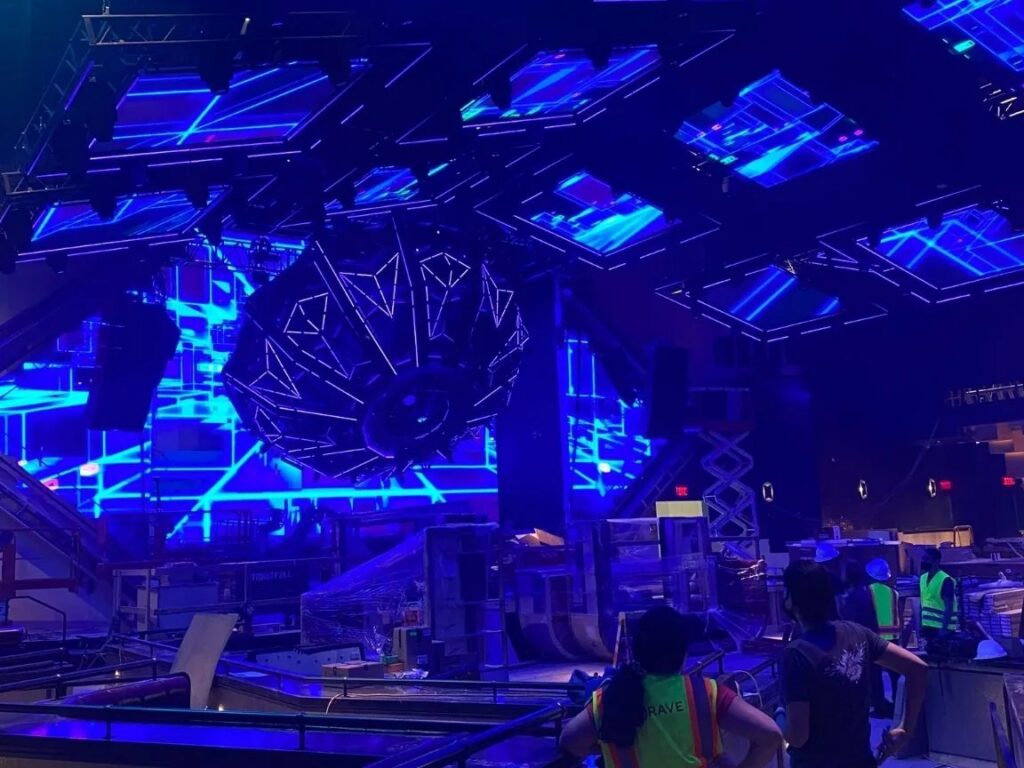
Our team creates detailed digital twins and three-dimensional visualizations that allow stakeholders to evaluate scale, sightlines, content, lighting, and display behavior before fabrication begins. This process aligns creative and technical teams, reveals potential conflicts, and brings greater confidence to every design decision.

Content Designed for Physical Space

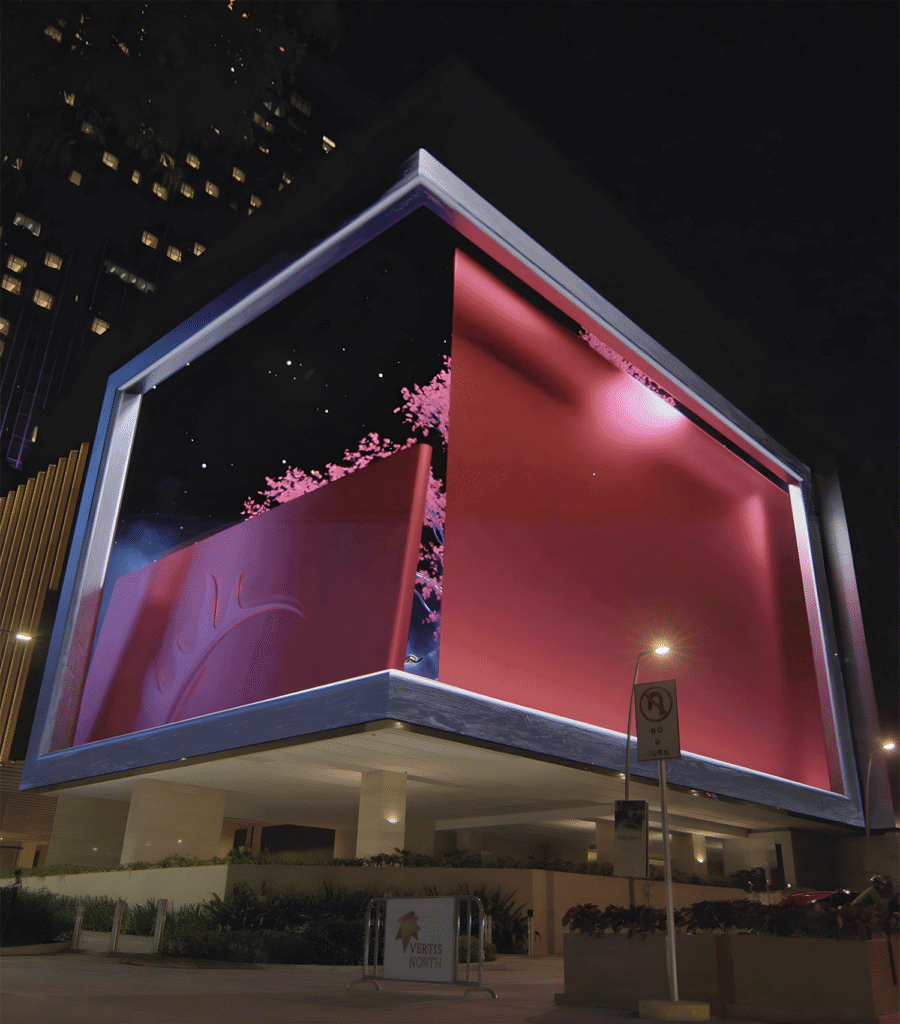
The industry is moving away from flat broadcast-style video loops toward spatial content and 3D anamorphic illusions mapped specifically to the geometry of the display. These forced-perspective visual effects appear to break the physical boundaries of the screen, creating stop-in-your-tracks moments for integrated resorts, retail environments, and corporate lobbies.

Designing for Every Sense

The most memorable environments are not defined by visuals alone. Spatial audio, architectural lighting, interactive media, environmental effects, and responsive control can work together to shape how a space feels. We coordinate these disciplines around one creative narrative, creating multisensory experiences that surround the audience and deepen the connection between people, place, and content.

Beyond Opening Day

The value of a technology system is measured not only by its initial impact, but by how effectively it performs and evolves over time. We consider energy use, component durability, service access, remote monitoring, repairability, and future upgrades from the beginning. This approach helps extend system life, reduce unnecessary replacement, and protect the client’s investment without compromising creative ambition.

Spaces That Respond to Their Audience

Digital environments are becoming more aware of the people within them. Sensors, cameras, intelligent controls, and real time data can adapt content, lighting, audio, and system behavior according to movement, occupancy, time, or programmed conditions. We bring these technologies together as one coordinated environment, allowing the experience to evolve naturally throughout the day.

Ready to Shape What Comes Next?

Bring our creative designers and engineers into the conversation early. Together, we can explore emerging possibilities, support the approach, and build an integrated experience around your architecture, audience, and ambition.